Song Meaning
These lyrics open with a direct, heartfelt declaration: the speaker's mother is "the most beautiful in the world." It's an immediate, absolute statement of adoration, likening her face to "an angel's from paradise." The tone is one of pure, unreserved affection and wonder.
Beneath this initial praise lies a deeper emotional tension. The speaker acknowledges a world of experiences—"all my travels," seeing "landscapes"—but insists nothing compares to the mother's image. More profoundly, the lyrics reveal a sense of past disillusionment: "I had dreams / Where I was loved without end / But dreams end." This contrast amplifies the mother's role as the sole constant, the one who "alone remained" when other hopes faded and "everything collapses around me."
The craft here is particularly striking in its use of imagery. While the mother's face is angelic, the most cherished image is not of youthful perfection but of her "beautiful white hair." This specific detail grounds the idealized beauty in a tender, lived reality, suggesting a love that appreciates not just outward appearance but the wisdom and enduring presence that age brings. The repetition of "Maman" and the core phrase "tu es la plus belle du monde" acts as an anchor, reinforcing the central theme of unwavering devotion.
Ultimately, these lyrics resonate because they articulate a profound, unconditional love that transcends superficiality. By contrasting the mother's steadfast presence with the impermanence of dreams and the chaos of the world, the writing elevates her beyond mere beauty to a fundamental source of stability, comfort, and deep, abiding joy. It's a powerful testament to the unique, irreplaceable bond between a child and their mother.
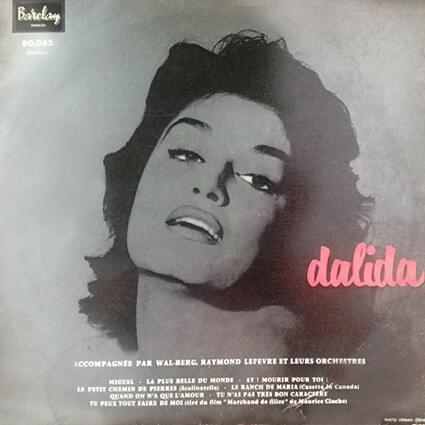
 View Artist