Song Meaning
The lyrics paint a poignant picture of remembrance, focusing on a past relationship that has since dissolved. The narrator longs for a time when life felt brighter and the connection was strong, contrasting it with the present. The recurring image of "les feuilles mortes" (dead leaves) being gathered "à la pelle" (by the shovel-full) immediately establishes a tone of melancholy and the accumulation of lost moments. This imagery suggests a vastness to the past that can no longer be held onto, much like dead leaves scattered by the wind.
The central tension lies in the narrator's struggle to reconcile the vivid memory of a shared love with the reality of separation. The lyrics explicitly state, "Toi tu m'aimais / Et je t'aimais" (You loved me / And I loved you), emphasizing the mutual affection that once existed. This past is presented as a "chanson qui nous ressemble" (a song that resembles us), a perfect, harmonious tune now lost. The contrast between this idyllic past and the present, where "la vie sépare / Ceux qui s'aiment" (life separates / Those who love each other), creates a deep emotional ache.
The most striking aspect of the craft is the subtle yet powerful metaphor of the sea erasing footprints on the sand. "Et la mer efface sur le sable / Les pas des amants désunis" (And the sea erases on the sand / The steps of separated lovers) beautifully captures the gradual, quiet nature of separation. It's not a dramatic break, but a slow fading, much like the tide smoothing over tracks. This imagery reinforces the idea that the separation happened "tout doucement / Sans faire de bruit" (very gently / Without making a sound), making the loss feel even more profound because it was almost imperceptible in its unfolding.
Ultimately, the effectiveness of these lyrics stems from their ability to evoke a universal feeling of lost love and the bittersweet nature of memory. The simple, direct language allows the emotional weight of the past to resonate deeply. By focusing on concrete images like dead leaves and erased footprints, the song grounds its melancholy in tangible experiences, making the narrator's longing for a beautiful, shared past feel both personal and profoundly relatable.
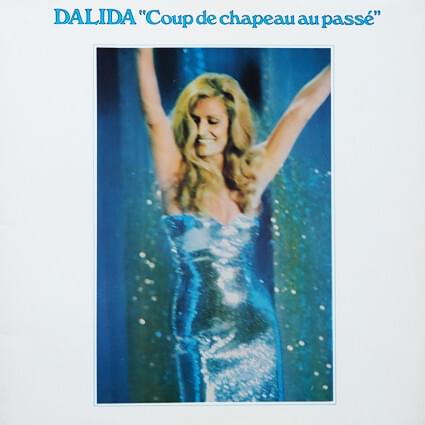
 View Artist