Song Meaning
The lyrics paint a somber portrait of a "Lady d'Arbanville" left alone, her eyes reflecting a deep weariness and the narrator's own despair. The repeated phrase "Il ne rentrera pas" (He will not return) immediately establishes a sense of abandonment and finality. The contrast between her present "las" (weary) eyes and her past "yeux semblaient chanter" (eyes seemed to sing) when she was taken away in a wedding dress highlights a profound loss.
The central tension lies in the Lady's isolation and the narrator's vicarious suffering. The "maître" (master) is absent, and his permanent departure is confirmed, leaving the Lady in a state of quiet desolation. Her "teint si blanc" (complexion so white) and "yeux sont gris" (eyes are gray) this evening suggest a draining of life or spirit, directly causing the narrator "du tourment" (torment).
The most striking craft element is the juxtaposition of past joy and present sorrow, particularly through the recurring image of her eyes. They once "semblaient chanter" during a moment of supposed happiness, likely her wedding, but now they are "gris" and "las." The narrator observes her watching "le soleil est bas" (the sun is low), seeing a "beau cavalier" (handsome rider) depart, a poignant visual metaphor for the loss of a beloved figure and the fading of hope.
These lyrics resonate because they capture the quiet devastation of abandonment. The narrator's empathy is palpable; their "désespoir" (despair) and "tourment" (torment) are directly linked to the Lady's visible sadness. The understated delivery, focusing on visual details and simple, repeated pronouncements of absence, creates a powerful emotional weight, allowing the listener to feel the Lady's profound loneliness and the narrator's shared pain.
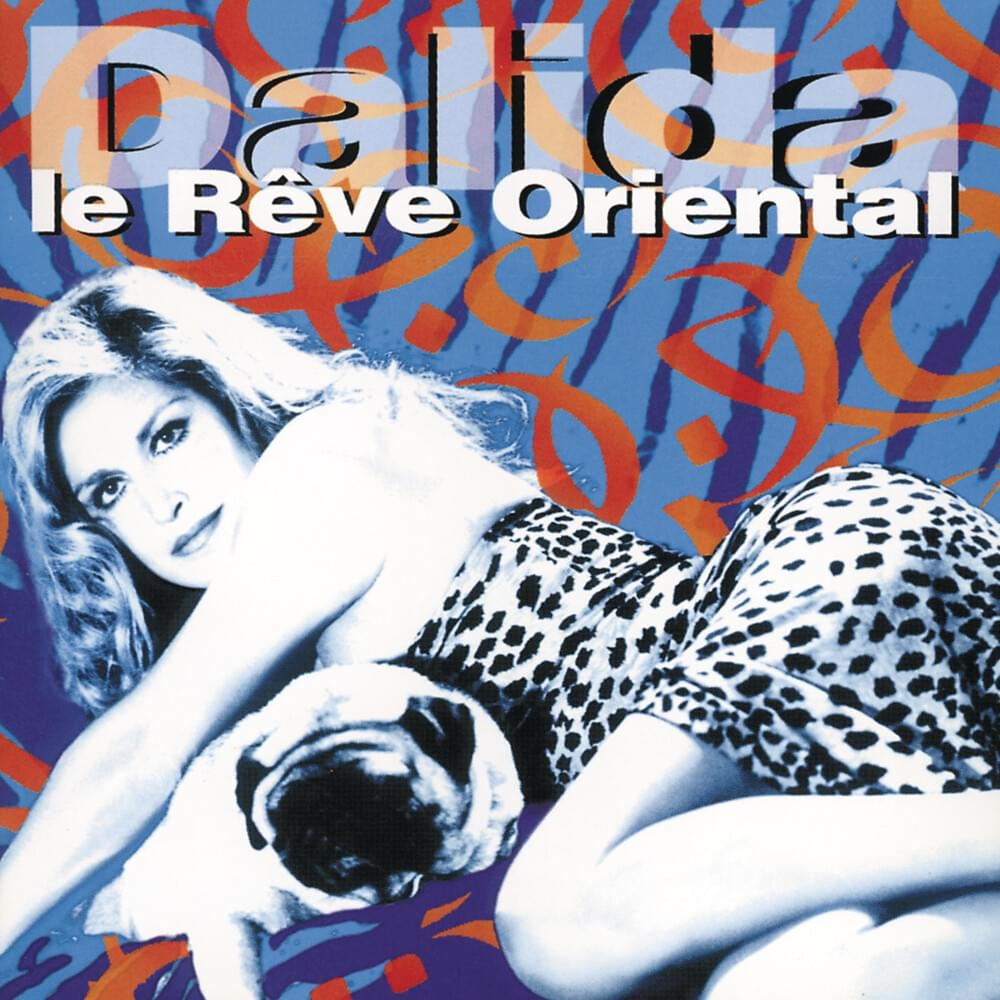
 View Artist