Song Meaning
The lyrics paint a stark picture of religious iconography commodified and trivialized in modern society. The opening lines immediately juxtapose the sacred act of crucifixion with the profane act of "putting on a show" ("mis en scène"), suggesting a theatrical, almost performative, aspect to faith. This is amplified by the image of "a Golgotha on the banks of the Seine," grounding a biblical event in a specific, mundane urban landscape, implying that sacred sites and stories are now just backdrops for everyday life.
The central tension arises from the transformation of Jesus from a figure of doubt and suffering into a "super" product, a commercialized icon. The "golden road" leading to his "calvary" is not one of spiritual ascent but a path paved with consumerism. The repeated refrain, "Jésus Kitsch, Jésus Kitsch oh Jésus," hammers home this idea of cheapened, mass-produced divinity, further described by "Jesus beard and long hair, Jesus neon light." This imagery strips away any genuine spiritual depth, replacing it with superficial, eye-catching aesthetics.
The lyrics powerfully critique how religious narratives are repackaged for profit, drawing a direct parallel between Judas's betrayal for silver and Jesus being "resold in all good drugstores." His "advertisement is in broad daylight on the walls of our cities," turning sacred texts into marketable commodities. The final lines, "He was born the last child of consumption," deliver a biting commentary, positioning Jesus not as a savior but as the ultimate product of a consumerist culture, born into a world that devours and discards sacredness.
This lyrical construction is effective because it uses jarring contrasts and direct, almost blunt, language to highlight the perceived desecration of religious imagery. The repetition of "Jésus Kitsch" and the chorus creates a hypnotic, almost chant-like effect that underscores the pervasive nature of this commercialization. By framing Jesus as the "last child of consumption," the lyrics offer a potent, albeit bleak, observation on how deeply ingrained consumer culture has become, even in the realm of faith and spirituality.
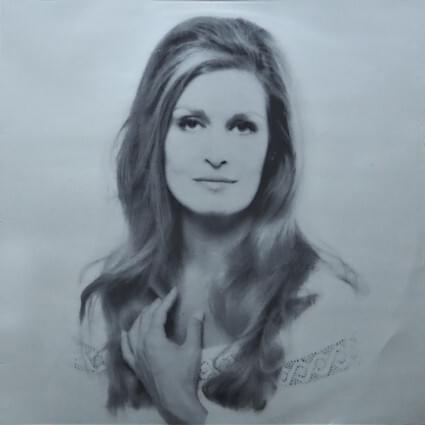
 View Artist