Song Meaning
The lyrics open with a stark scene: a farewell, etched in the sadness of the other person's eyes. Despite disbelief, the narrator acknowledges the finality, a painful contrast to the "tant d'amour passé" (so much love passed). This sets up an immediate emotional collision between past intimacy and present rupture.
The central tension is the narrator's desperate, repeated declaration of "Je t'aime" (I love you) against the undeniable reality of the breakup. This isn't a plea for reconciliation, but a raw, almost involuntary utterance of enduring feeling in the face of abandonment. The phrase "C'est fini" (It's over) acts as a relentless counterpoint, hammering home the loss.
The most striking craft element is the stark juxtaposition of the intimate "Je t'aime" with the imagery of being "blessés" (wounded) and the future prospect of going "bien loi cachée" (far away to hide). The repetition of "Je t'aime" transforms from a simple statement of affection into a desperate, almost primal scream against the void left by the departure. The line "Une autre a volé mon bien" (Another has stolen my possession) injects a bitter resentment, framing the loss as a theft.
These lyrics hit so hard because they capture the disorienting moment when profound love is met with absolute finality. The narrator isn't processing the breakup with logic, but with the visceral, unyielding force of their own love, expressed in repeated, almost broken utterances. The writing forces the listener to confront the painful, irrational persistence of love even when everything else is definitively over.
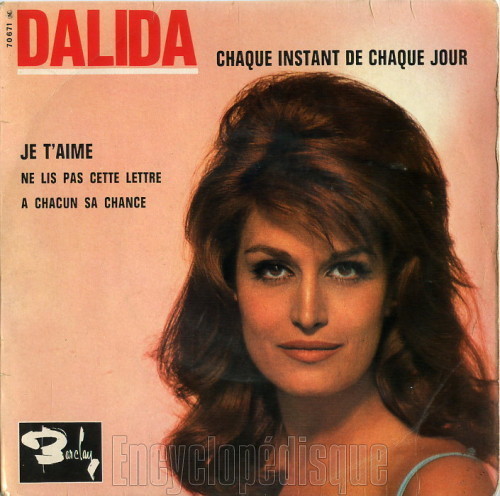
 View Artist