Song Meaning
The lyrics paint a picture of time's relentless march, where everything eventually fades. Yet, amidst this impermanence, the "cha cha cha" remains a constant, an anchor in the flow of existence. The repetitive "La la la" sections create a hypnotic, almost childlike simplicity, contrasting with the more reflective French verses about time passing and things disappearing. This juxtaposition highlights the enduring nature of the dance, suggesting it's more than just a fleeting trend.
The central tension lies between the ephemeral nature of life and the persistent presence of the cha cha cha. The narrator observes how "Le temps passe, Tout s'efface" (Time passes, Everything fades), yet "Il est toujours là" (It is always there). This refrain emphasizes the dance's resilience against the erosion of time, positioning it as a stable element in a changing world. It’s a simple, yet profound, observation on what endures.
The most striking craft element is the direct assertion that for love, "C'est le cha cha cha" (It's the cha cha cha). This elevates the dance from a mere pastime to a vehicle for romantic connection. The lyrics explicitly state that when someone is near, other dances are forgotten because "rien ne vaut le twist et le cha cha" (nothing is worth the twist and the cha cha). This suggests a unique power attributed to this specific rhythm for fostering intimacy.
Ultimately, the effectiveness of these lyrics stems from their straightforward yet evocative portrayal of constancy amidst change. The simple, memorable chorus and the clear declaration of the cha cha cha's importance for love create a feeling of nostalgic comfort. It’s a celebration of a specific dance, yes, but more broadly, it’s about finding something reliable and joyful that transcends the passage of time and the fading of other things.
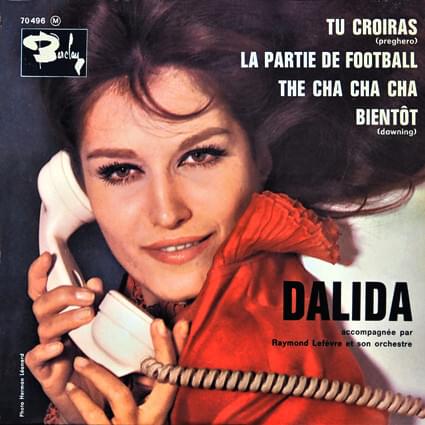
 View Artist