Song Meaning
The lyrics open with a sharp, insistent command: "Dépêche-toi" (Hurry up). This immediate urgency sets the stage for a passionate plea to embrace life. The central warning is clear: "Ce serait dommage" (It would be a shame) to miss out.
A core tension emerges between confinement and liberation. The narrator warns against staying "enfermé(e)" (locked up) when "le printemps montre son nez" (spring shows its nose), painting a vivid picture of missed opportunity. This isn't just about physical space; it's about a mental or emotional state of being "aussi sage" (too sensible) when the world outside is bursting with "la joie d'aimer" (the joy of loving).
The lyrics cleverly weave in a timeless poetic allusion, reminding the listener that "un grand poète a dit / Cueille à présent les roses de la vie" (a great poet said / Gather now the roses of life). This Carpe Diem philosophy is reinforced by the stark warning: "Si, tu attends, tant pis pour toi / Un jour tu le regretteras" (If you wait, too bad for you / One day you will regret it). The repetition of "Ce serait dommage" underscores this sense of impending regret.
What makes these lyrics resonate is their unflinching honesty about the full spectrum of experience. They acknowledge that love might bring "pleurs troublent tes yeux parfois" (tears sometimes trouble your eyes), but insist "ne t'en plains pas" (don't complain about it). This acceptance of both joy and sorrow as integral to "l'amour qui s'éveille en toi" (love awakening in you) elevates the message beyond simple optimism. The final, powerful command, "Sors de ta cage / Et viens aimer" (Get out of your cage / And come love), serves as a potent call to action, urging the listener to seize the "peu de temps qui t'est donné" (little time given to you).
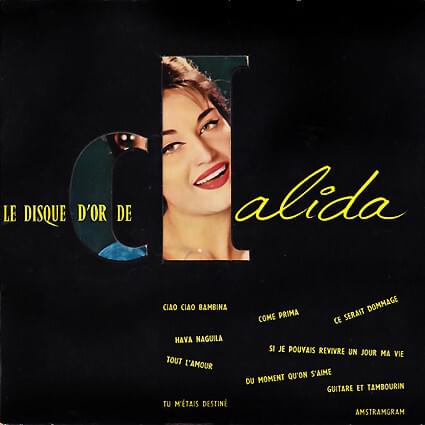
 View Artist