Song Meaning
This is a tender, almost prayerful, farewell to a lover. The opening lines blend Spanish and French, creating an intimate, multilingual embrace. The narrator wishes their beloved a peaceful sleep, invoking divine protection and a simple, profound declaration: "I only love you." It sets a tone of deep affection and a desire for the beloved's well-being as they drift off.
However, a possessive edge quickly surfaces. The phrase "À la vie et à la mort tu es à moi" (To life and death, you are mine) is followed by a stark warning: "Sinon prends garde!" (Otherwise, beware!). This juxtaposition reveals a complex emotional landscape, where intense love is intertwined with a fierce, almost threatening, claim of ownership. The narrator's devotion is absolute, but it comes with an implicit demand for reciprocation and loyalty, hinting at a potential darkness beneath the surface of affection.
The lyrics then shift to a hopeful anticipation of reunion. The narrator pledges to wait patiently for their lover's awakening, for the return of the sun, and for a future where they will be together "pour la vie entière" (for the entire life). This imagery of waiting and eventual togetherness, set against the backdrop of a "beau ciel andalou" (beautiful Andalusian sky) and distant guitars, paints a romantic, almost cinematic scene. The gratitude expressed to "la madonne" further solidifies the sacredness and exclusivity of their bond.
The repeated refrain, "Buenas noches, mi amor / Toujours, toujours pense à notre amour" (Always, always think of our love), reinforces the central tension. It's a plea for constant remembrance and a reminder of the deep connection the narrator feels. The song's power lies in this delicate balance between sweet endearment and an almost desperate need for assurance, making the simple act of saying goodnight resonate with a potent mix of love, longing, and a hint of possessive anxiety.
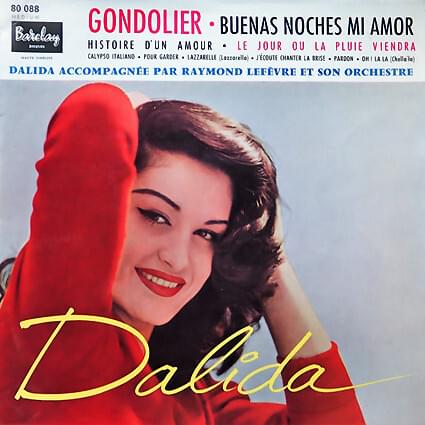
 View Artist