Song Meaning
This track captures the exhilarating, if slightly chaotic, energy of adolescence, particularly when navigating the choppy waters of first love. The narrator is all in, declaring "Never give up, I'll do my best," and framing her romantic pursuits as a high-stakes "showdown." There's a palpable sense of youthful optimism mixed with a touch of anxiety, as she admits to potentially getting hurt again, comparing a new crush to a past boyfriend. The recurring phrase "思春期エイジ" (Shishunki eiji - Adolescent age) grounds the entire narrative in a specific, relatable phase of life.
The central tension lies in the push and pull between bold determination and the vulnerability that comes with intense feelings. She's ready to "fight" for her love, describing her heart as "ドキドキ トキメクの" (dokidoki tokimeku no - pounding, thrilling), yet she also acknowledges the potential for pain, wondering "くるくるまわる またキズつくかな" (kurukuru mawaru mata kizutsuku kana - spinning around, will I get hurt again?). This internal conflict fuels her resolve to "わざとじらいたい" (wazato jiraitai - deliberately tease/play hard to get), a classic adolescent strategy.
The lyrics cleverly use the image of a "セーラー服なびかせて" (sērā fuku nabikasete - letting her sailor uniform flutter) to evoke a sense of youthful freedom and dramatic flair, as if she's starring in her own coming-of-age movie. This visual, combined with the repeated "ラララ" (Lalala) and the upbeat tempo implied by "ウキウキ" (ukiuki - excited), creates a vibrant soundscape. The idea of a "恋するプロフィール" (koisuru purofīru - love profile) that can be "かきかえOK" (kakikae OK - rewrite OK) highlights the fluid, experimental nature of young romance and self-identity.
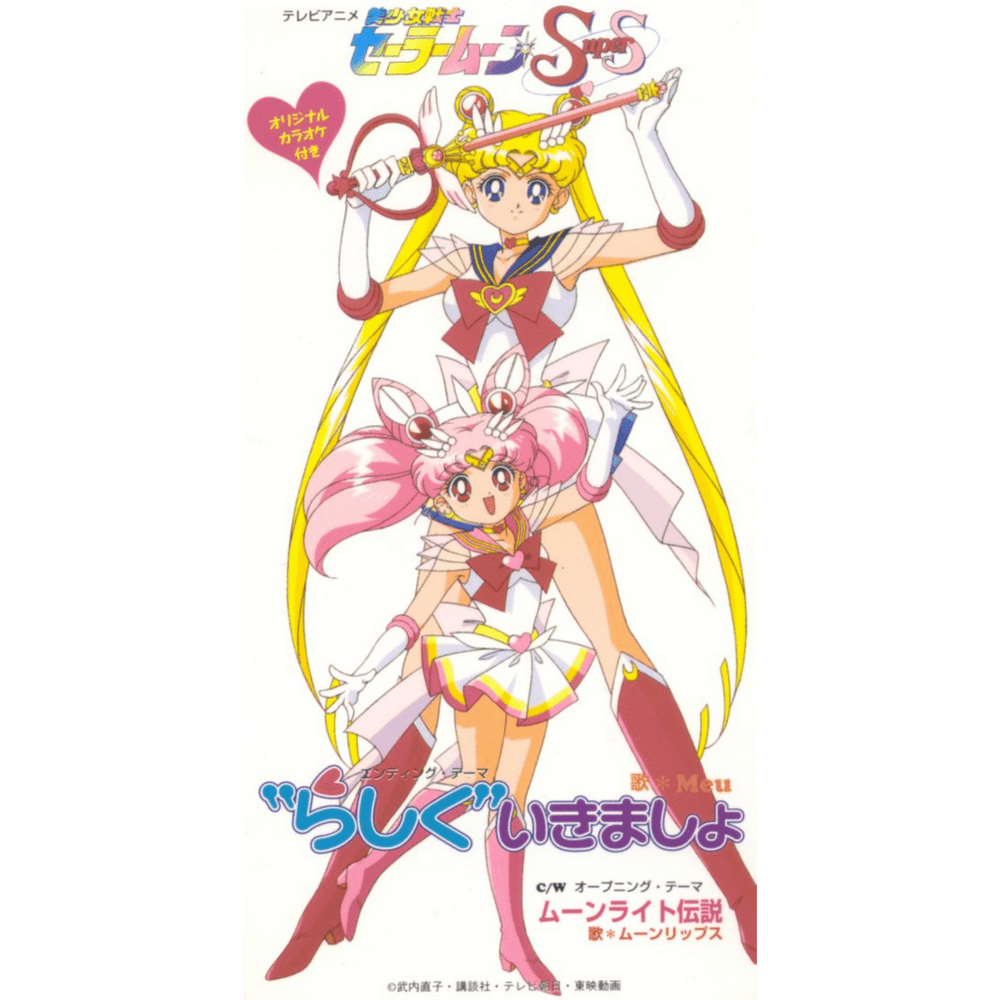
Ultimately, the song resonates because it bottles that specific brand of adolescent intensity. It’s about the courage to put yourself out there, the thrill of the chase, and the belief that even when things get tough, you can bounce back. The narrator’s unwavering commitment to her own narrative, even when facing potential heartbreak, makes her a compelling figure, embodying the spirit of "'Rashiku' ikimasyo" – let's go on being ourselves.
 View Artist