Song Meaning
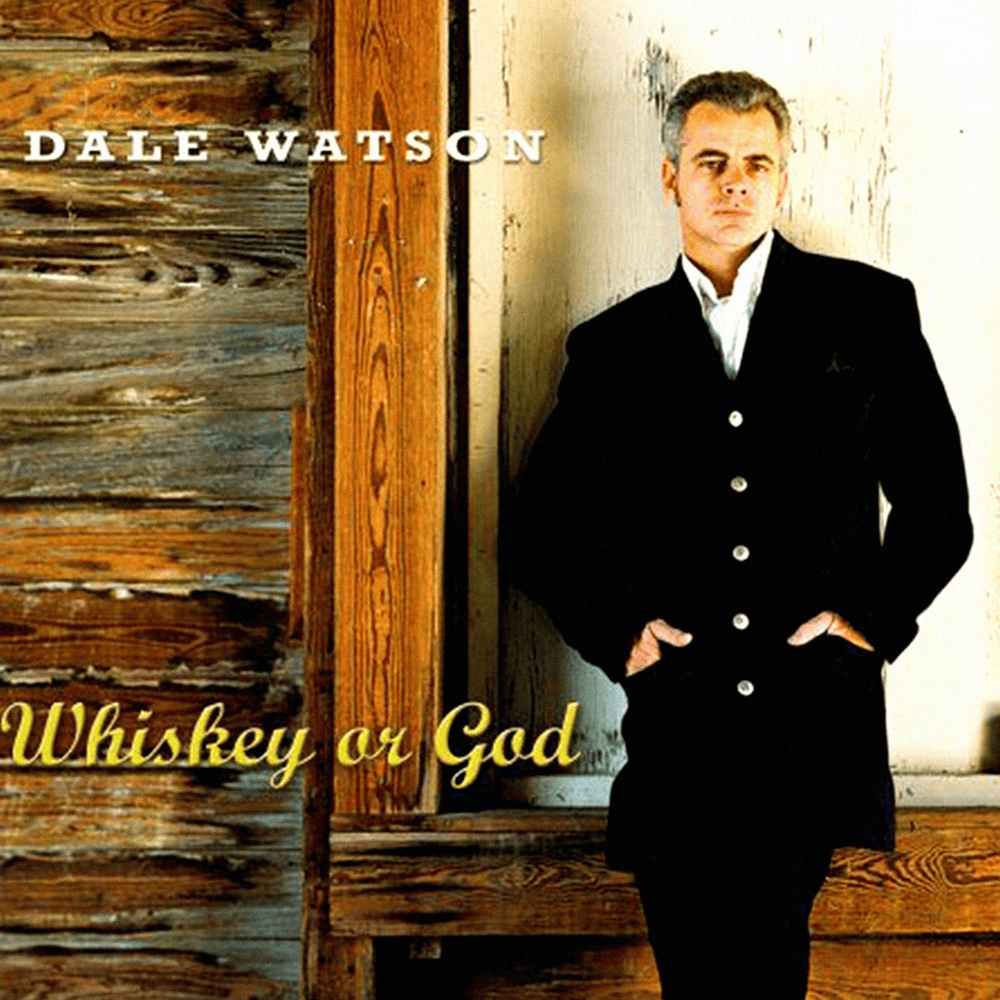
Dale Watson's "I Wish I Was Crazy Again" isn't a celebration of mental instability, but a poignant lament for a lost love so profound it fractured his perception of reality. The opening lines establish a mutual departure, but it's clear the separation devastated Watson, metaphorically killing off his former self. He directly addresses the aftermath – the external judgment, the label of "crazy," which he redefines not as clinical madness, but as a state of blissful delusion where his love still existed. This isn't a yearning for chaos; it's a yearning for the comforting unreality that shielded him from heartbreak.
The chorus anchors the song's central paradox: "crazy in love" isn't a cute phrase here; it's a desperate longing for the ignorance that love provides. He equates this former state with "ignorantly bliss baby," a world devoid of pain, a stark contrast to his current existence. The repeated line, "If I was crazy again," underscores the price of clarity. He's traded the comfort of delusion for the sharp sting of reality, and the trade feels like a loss. The dreamlike state, though irrational, offered a sanctuary that's now gone.
Beyond the immediate heartbreak, "I Wish I Was Crazy Again" delves into the universal human desire for connection and the pain of its absence. Watson sings of missing "the not missin' you most," a clever turn of phrase that captures the all-consuming nature of true love, where individuality blurs and two souls become intertwined. The image of souls dancing highlights the spiritual dimension of this lost connection. The final lines, referencing "hours were ours" and "talkin' to the wind," paint a picture of a man unmoored, desperately seeking echoes of a love that once defined his world. The song suggests that sometimes, the perceived insanity of love is preferable to the cold, rational loneliness that follows its demise.
 View Artist