Song Meaning
Dale Watson's rendition of "Have You Ever Seen the Rain" carries a world-weary tone, transforming the Creedence Clearwater Revival classic into a country lament. The core of the song meaning revolves around paradoxical emotional states. The rain, typically associated with sadness and cleansing, falls on a "sunny day," creating a jarring juxtaposition. This image serves as a powerful metaphor for experiencing sorrow and hardship even during times that should be filled with joy and optimism. Watson's interpretation emphasizes the cyclical nature of these conflicting emotions, suggesting that periods of calm and happiness are often shadowed by the inevitable return of darker times. The opening lines set the stage: "There's a calm before the storm / I know, it's been comin' for some time."
The lyrics analysis reveals a deep sense of resignation. The narrator acknowledges the temporary nature of peace and anticipates the arrival of emotional turmoil. The lines "Yesterday and days before / Sun is cold and rain is hard" paint a picture of a world where even sources of warmth and nourishment offer little comfort. This sense of perpetual struggle is further reinforced by the line "'Til forever, on it goes / Through the circle, fast and slow," highlighting the cyclical and inescapable nature of life's challenges. The repeated question, "Have you ever seen the rain comin' down on a sunny day?" isn't just a query; it's an invitation to share in a collective understanding of life's inherent contradictions.
Ultimately, Dale Watson's version of "Have You Ever Seen the Rain" explores the complex interplay between happiness and sorrow, suggesting that true emotional depth comes from acknowledging and accepting the presence of both. It's a bittersweet reflection on the human condition, reminding us that even in moments of apparent joy, the potential for sadness always lingers, and that this very awareness is a testament to our capacity for empathy and understanding. The song's enduring appeal lies in its ability to capture this universal human experience with simple yet profound imagery.
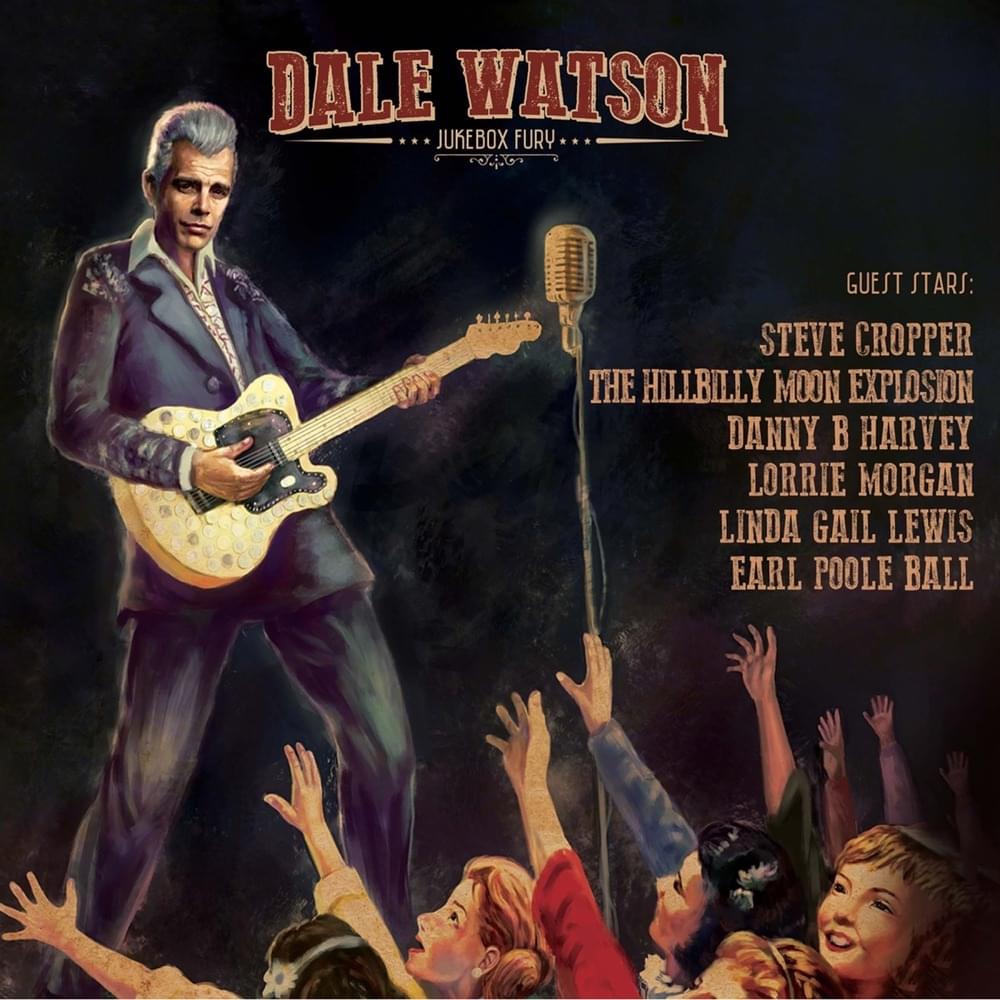
 View Artist