Song Meaning
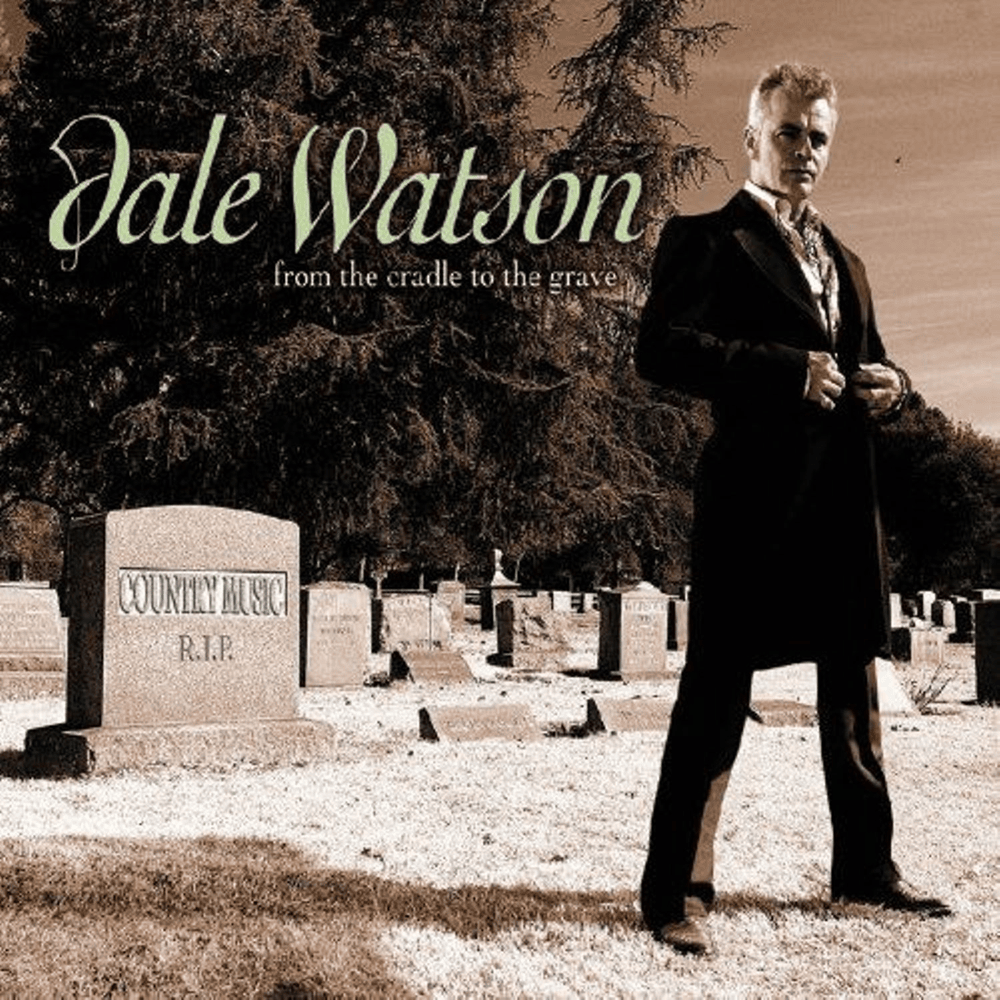
Dale Watson doesn't just sing country; he exhumes its very soul. In "From The Cradle To The Grave," Watson delivers a stark meditation on existence, stripping away sentimentality to reveal the raw, unvarnished truth of our shared human experience. The song isn't a celebration of life, nor is it a descent into despair; it's a level-headed reckoning with the cyclical nature of joy and sorrow, creation and destruction. Watson acknowledges the universal temptation to succumb to life's burdens, referencing a man driven to suicide by heartbreak. This grim image serves not as an endorsement, but as a stark reminder of the fragility inherent in our emotional architecture. The line, "It'll cross your mind somewhere along the way," carries the weight of unspoken understanding, a quiet acknowledgment of the darkness we all confront.
The lyrics trace a path from initial vulnerability ("From that first step we learn to fall") to the accumulation of life lessons, learned through "familiar tears." Watson emphasizes the repetitive nature of this cycle, the "in and in again" of life's recurring patterns. This repetition isn't presented as meaningless, however. Rather, it underscores the importance of choice: "In between is make or break / We decide to give or take." The song suggests that while we may be bound by the inevitability of death ("We all reach the same fate"), we retain agency in shaping our journey.
Ultimately, "From The Cradle To The Grave" finds solace not in grand pronouncements, but in the simple act of creating meaningful memories. Watson posits that our legacy isn't defined by material possessions or fleeting achievements, but by the impressions we leave on others: "All we really are, are the memory's that we make / And leave behind." This sentiment elevates the ordinary moments, the everyday interactions that accumulate to form the tapestry of a life. The song is a powerful reminder to be mindful of the impact we have, to choose giving over taking, and to strive to create a legacy of love and connection in the face of inevitable mortality. Dale Watson doesn't offer easy answers, but he provides a compelling framework for navigating the complexities of existence with grace and intention.
 View Artist