Song Meaning
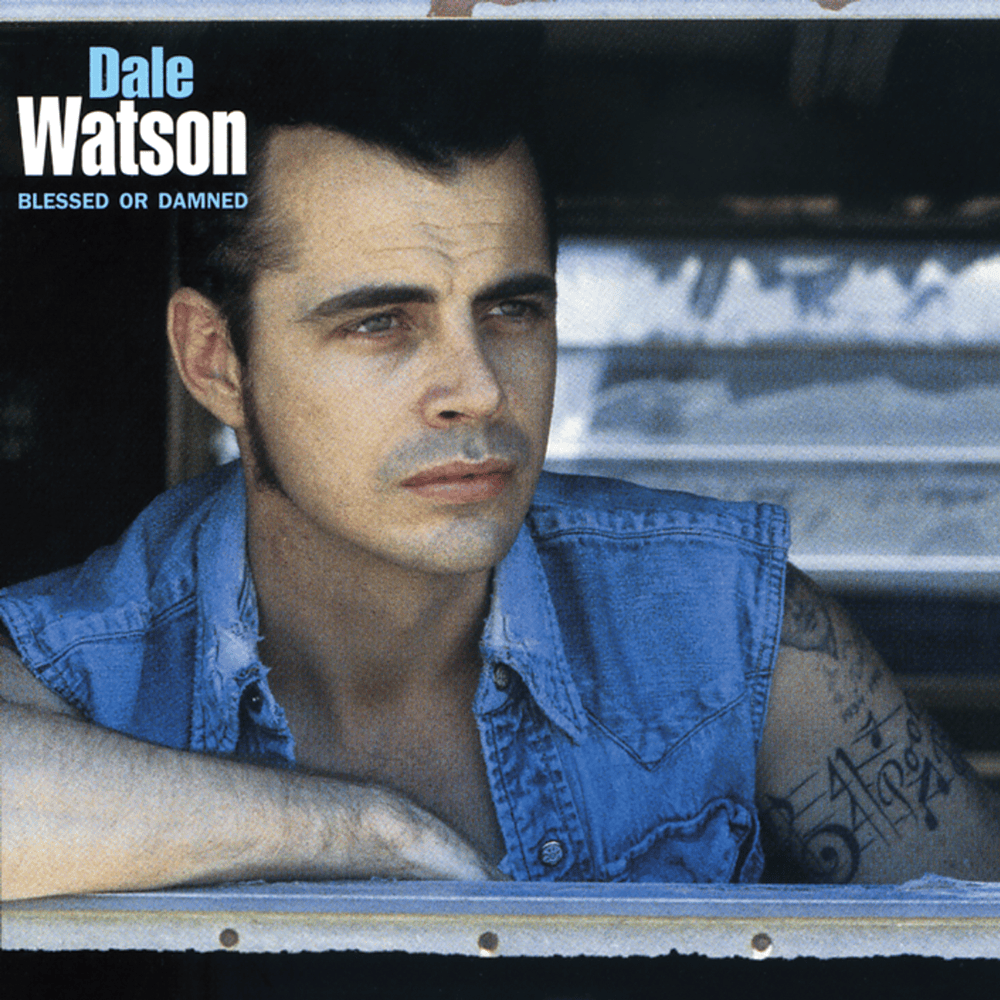
Dale Watson's "Blessed or Damned" isn't just a country lament; it's a stark meditation on artistic merit, recognition, and the elusive nature of success. The song cuts to the heart of every creative's existential crisis: am I divinely gifted, or cursed to toil in obscurity? Watson frames this struggle through a dichotomy of sacred and profane, where God bestows talent, and the Devil… well, the Devil twists that gift into a source of profound anguish. The lyrics aren't subtle, and that's the point. He paints vivid portraits: the award-winning singer basking in glory versus the desolate troubadour playing to empty chairs. It's a contrast that forces us to confront the uncomfortable truth that talent and recognition are often tragically disconnected. The unspoken question hangs heavy: is the 'blessed' artist truly superior, or simply luckier?
The brilliance of "Blessed or Damned" lies in its empathy. Watson doesn't just observe this disparity; he actively identifies with the struggling artist. The chorus, a plea for heavenly understanding and acceptance of "those of us who lost our way," becomes a powerful act of solidarity. It's a secular prayer for the creatively disenfranchised, a recognition that the artistic journey is rarely linear or fair. The lyrics imply a sense of spiritual fatigue. There's a weight of wondering, a resignation to a pre-ordained path where some are destined for the spotlight and others for the shadows. This isn't about sour grapes; it's about acknowledging the inherent precariousness of a life dedicated to art.
Ultimately, "Blessed or Damned" transcends a simple 'song meaning.' It becomes a commentary on the very systems that define artistic value. Watson challenges us to question the metrics of success, to look beyond the awards and accolades, and to recognize the inherent worth of every artist who pours their soul into their work, regardless of external validation. The repeated plea to "bless the damned" is a radical act of grace, a refusal to let societal measures dictate spiritual worth. It's a reminder that true artistry isn't about fame or fortune; it's about the courage to create, even when the world isn't listening.
 View Artist