Song Meaning
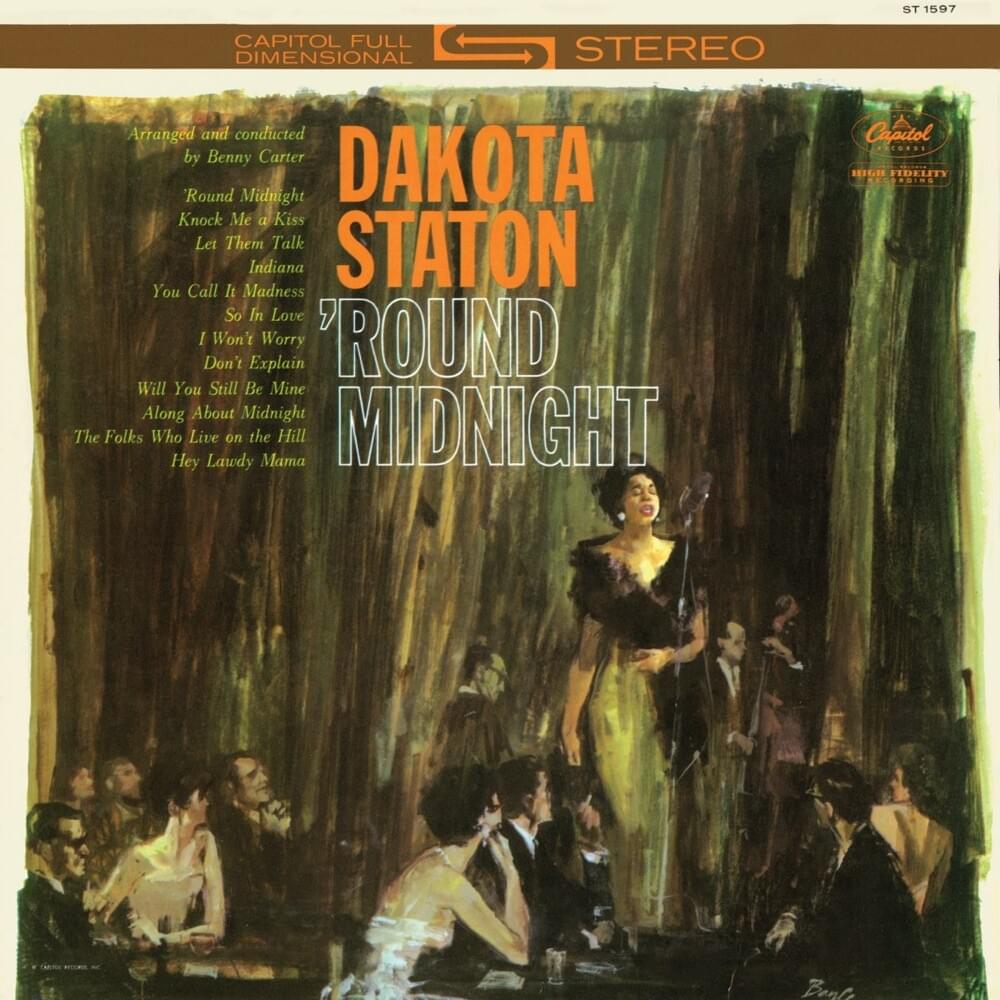
Dakota Staton's rendition of "The Folks Who Live on the Hill" isn't just a pleasant melody; it's a meticulously crafted portrait of aspirational domesticity, viewed through the lens of enduring love and the comforting predictability of tradition. The lyrics paint a picture of a couple's journey from youthful ambition—building a "shiny and new" cottage—to the settled contentment of old age, still known as "the folks who live on the hill." It speaks to a deep-seated human desire for stability and belonging, the quiet pride in establishing a legacy that is recognized and respected by the community. The 'hill' becomes a geographic and metaphorical high ground, a place of observation and reflection on a life well-lived, marked by the simple pleasures of home and companionship.
The song's emotional core resides in its understanding of how love evolves over time. The initial dream of a perfect home gradually morphs into an acceptance of life's inevitable changes—"adding a thing or two, a wing or two." The veranda, with its "view of meadows green," symbolizes a space for shared memories and quiet contemplation. Even as "the kids grow up and leave us," the couple's bond remains, their identity as "the folks who live on the hill" solidified through decades of shared experience. This isn't a story of passionate romance, but rather a testament to the enduring power of commitment and the beauty of ordinary life.
Staton's interpretation, with its inherent warmth, underscores the psychological comfort found in routine and recognition. The repeated refrain of "the folks who live on the hill" acts as an anchor, grounding the song in a sense of place and identity. The subtle shift from "Jack and Jill" to "Darby and Joan"—literary archetypes of devoted old age—further emphasizes the cyclical nature of life and the enduring power of love. In a world of constant change, "The Folks Who Live on the Hill" offers a reassuring vision of permanence and the quiet dignity of a life built on simple values.
 View Artist