Song Meaning
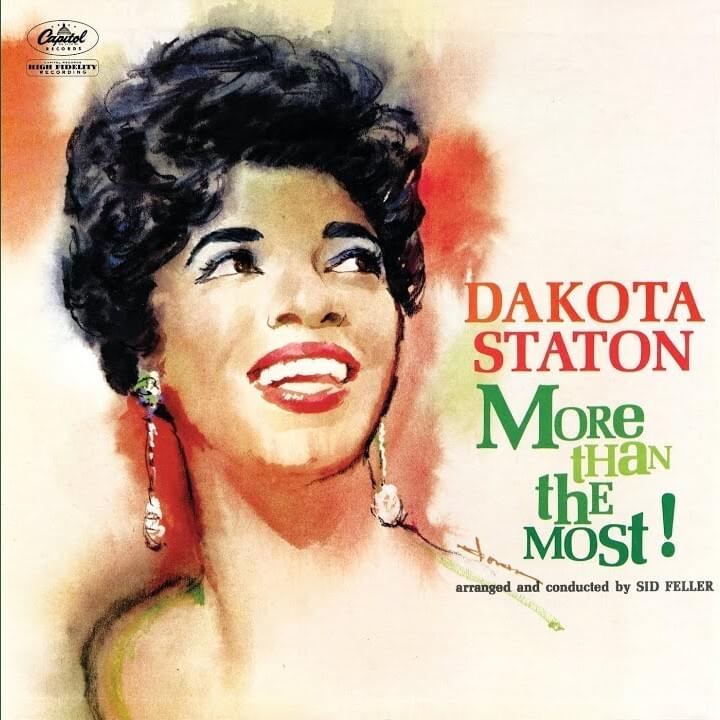
{"song_id": 14217279, "meaning": "Dakota Staton's \"Some Days It's Monday\" isn't just a lament; it's a sophisticated acknowledgement of emotional weather. The lyrical framework cleverly uses days of the week as emotional signifiers. Friday embodies optimism and abundance, where 'the sun shines' and one has 'your share' of good things. But the song pivots to the unavoidable truth: 'some days it's Monday,' a stark metaphor for those periods when joy is absent, and motivation is grounded. The genius of Staton's delivery, even without knowing the specific album context, rests in her ability to convey this sentiment with a world-weary grace, never devolving into mere self-pity. This is about the cyclical nature of experience.
The core of \"Some Days It's Monday\" lies in its articulation of emotional duality. Staton sings of mornings where 'your heart is high,' a feeling so potent it's personified as laughing and flying. This contrasts sharply with the 'Monday' experience, where the heart is inert. The bridge expands on this fluctuation, noting that 'hot and cold it blows, good and bad it goes.' The recognition that 'life is a maybe so' is key. It's not a passive acceptance, but an active observation of the unpredictable rhythm of existence. The imagery of a 'bouncing ball' is simple yet effective, capturing the constant oscillation between highs and lows.
The song's most poignant turn comes with the introduction of love. 'One day you'll found love,' Staton assures, and 'that Sunday feeling has got to stay.' Here, Sunday represents the pinnacle of romantic fulfillment. However, the repeated refrain, 'some days it's Monday…you wake to see your love has gone,' injects a dose of reality. This isn't just about general malaise; it's about the specific pain of lost love, the gut-wrenching experience of waking up to absence. The repetition emphasizes the cyclical, almost inevitable return of this sorrow. The song meaning ultimately grapples with the transient nature of happiness, particularly in love, and the acceptance of inevitable emotional downturns."}
 View Artist