Song Meaning
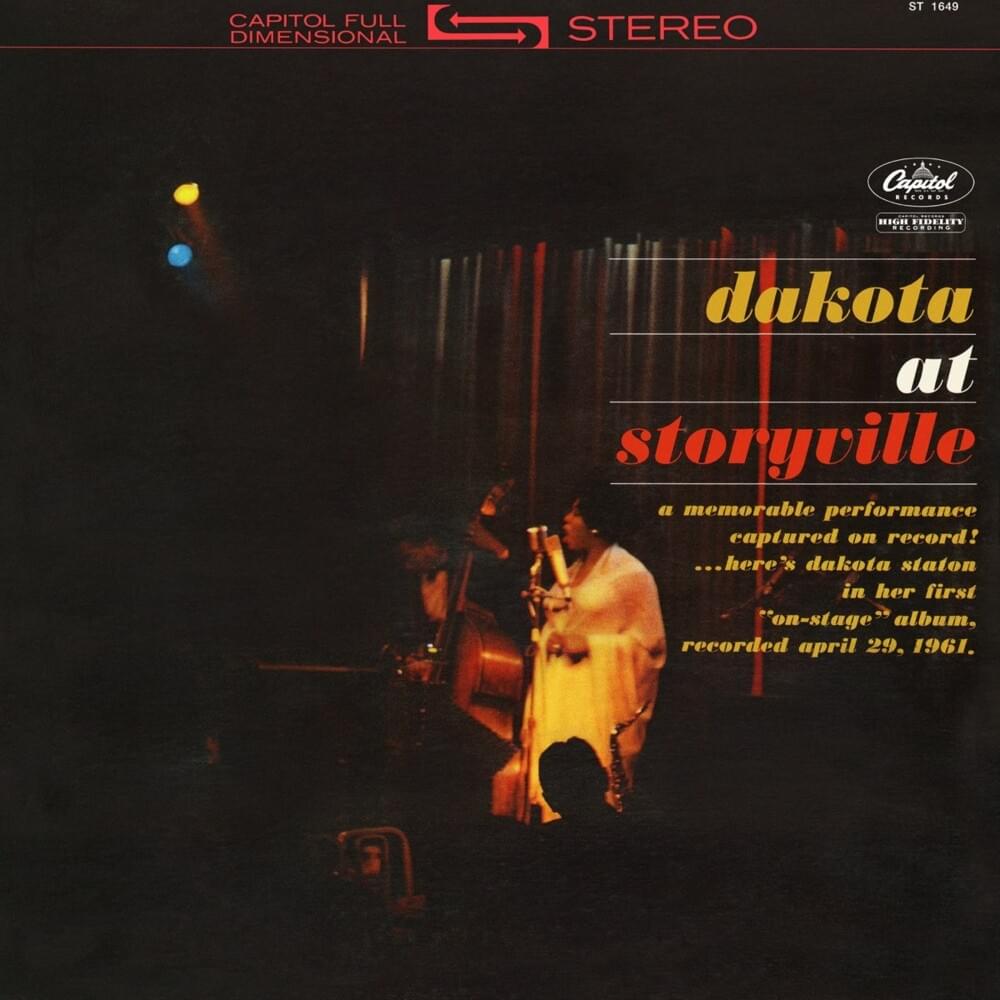
Dakota Staton's rendition of "Saturday Night (Is The Loneliest Night Of The Week)" isn't just a melancholy tune; it's a masterclass in pinpointing the specific sting of temporal loneliness. The lyrics laser-focus on Saturday night, elevating it beyond mere solitude into a weekly ritual of grief. It's not just being alone; it's the acute awareness of what *used* to be, the phantom limb of a lost connection made acutely painful by the memory of dancing "cheek to cheek." The brilliance lies in the contrast: Sunday offers solace in friendship, weekdays are a blur of activity, but Saturday stands alone as a stark reminder. This song meaning hinges on the cruel precision of timing. It's a loneliness amplified by the cultural expectation of Saturday as a night for revelry and togetherness.
Staton's delivery, tinged with a world-weary acceptance, underscores the psychological weight of anticipation and disappointment. The repeated line, "Saturday night is the loneliest night in the week," becomes a mantra, a self-fulfilling prophecy almost. The singer actively "seek[s]" memories, suggesting a deliberate, perhaps even masochistic, revisiting of the past. This isn't passive sadness; it's an active engagement with loss. The fleeting hope offered by the lines "Until I hear you at the door / Until you're in my arms once more" only sharpens the underlying despair. It suggests a yearning so profound it borders on delusion, a persistent fantasy that momentarily disrupts the crushing reality.
Ultimately, the song's power resides in its universality. While the specific circumstances of the lost relationship remain undefined, the feeling of Saturday night loneliness is acutely relatable. It speaks to the human condition, the inherent vulnerability to nostalgia, and the way specific days can become indelibly marked by absence. The song avoids sentimentality by grounding itself in the mundane reality of the weekly cycle, transforming an ordinary evening into an extraordinary expression of longing. It's not just a song; it's a carefully constructed emotional landscape, where the listener is invited to confront their own "loneliest night."
 View Artist