Song Meaning
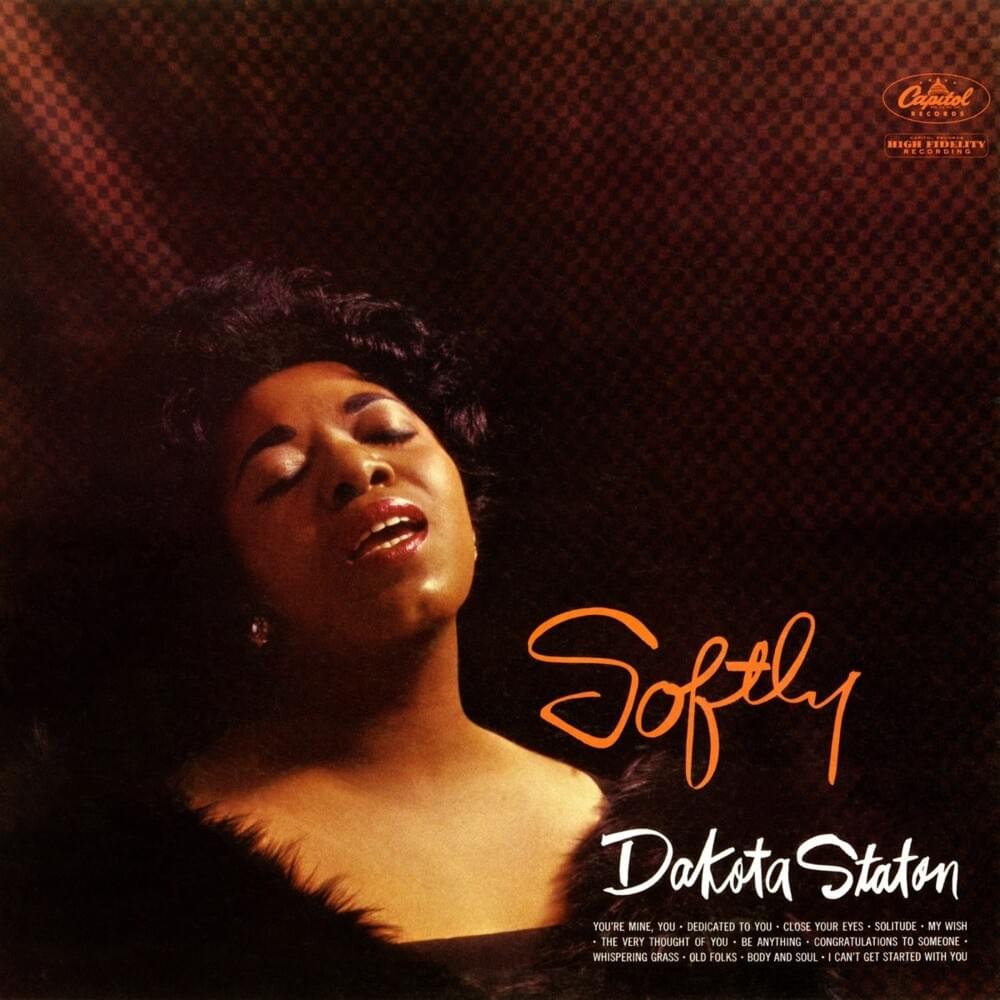
{"song_id": 14217305, "meaning": "Dakota Staton's rendition of \"Old Folks\" is less a character study and more a poignant meditation on memory, community, and the bittersweet inevitability of loss. The song's genius lies not in dissecting the titular 'Old Folks'—that archetypal, slightly eccentric figure—but in exploring the emotional void his absence will create. He is a repository of tall tales and harmless quirks, a comforting anachronism in a rapidly changing world. The lyrics paint a picture of a man whose value isn't in his historical accuracy ('How he held the speech at Gettysburg for Lincoln that day') but in the joy and connection his presence fosters. His harmless exaggerations and familiar routines ('Always leaving his spoon in the coffee') are not flaws but endearing trademarks that bind the community together. This folksy character is also a symbol of acceptance, as the lyrics highlight that no one cares whether he \"fought for the blue or the grey,\" showing that his community loves him for who he is.
The 'Old Folks' figure becomes a mirror reflecting the community's own values and anxieties. He's a reminder of simpler times, a living link to a past that's fading from memory. The repeated references to his gentle habits and harmless fibs serve to highlight the contrast between the idealized past and the complexities of the present. The fishing trip anecdote, where he only catches 'a perch or two' but claims 'a whale got away,' perfectly encapsulates this blend of nostalgia and affectionate tolerance. The fish story becomes less about the fish and more about the role he plays in the lives of those around him.
The true weight of \"Old Folks,\" and the song meaning itself, rests on the final verse. The stark realization that 'someday there'll be no more Old Folks' transforms the song from a charming portrait into a lament. The thought of a 'lonely old town' and the 'children's voices at play' being 'still for a day' is a powerful acknowledgment of the irreplaceable role these figures play in shaping our lives. It's not just about the individual's passing, but about the collective loss of memory, connection, and a shared sense of belonging. Dakota Staton's interpretation, therefore, becomes a powerful reminder to cherish those connections while they last, recognizing the profound impact even the seemingly ordinary can have on the fabric of a community."}
 View Artist