Song Meaning
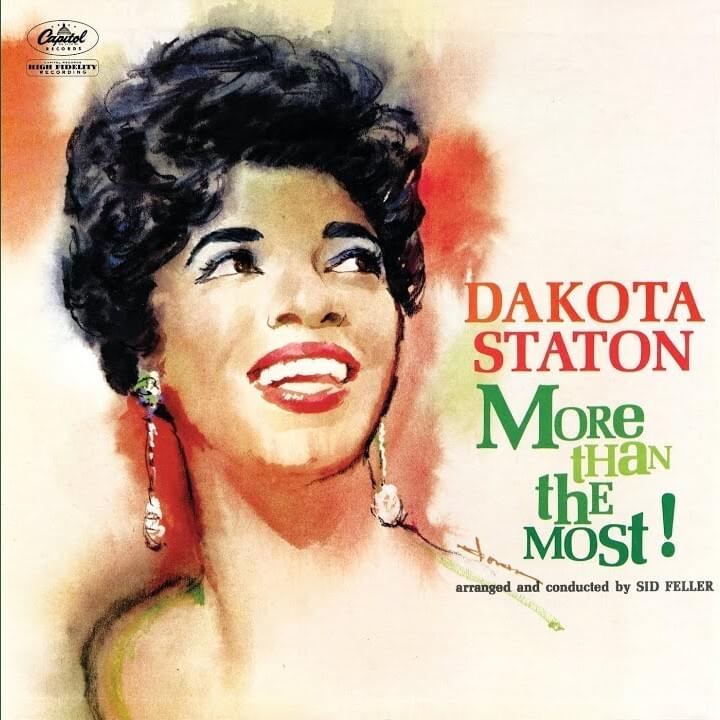
Dakota Staton's rendition of "Love Walked In" is less a song and more a perfectly distilled dose of hope. The lyrics analysis reveals a moment of transformative connection, the kind where the mundane abruptly parts to reveal a Technicolor world. It's not just about finding love; it's about love finding *you*, an active force that "drove the shadows away" and ushered in a personal renaissance. The genius of the song lies in its simplicity: no grand pronouncements, no tortured metaphors, just the raw, immediate impact of a life-altering encounter. The repetition of "Love walked right in" emphasizes the suddenness, the almost intrusive nature of this emotional upheaval. It wasn't sought, it arrived.
Staton's delivery amplifies this sense of immediacy. The lyrics eschew complex narratives for a series of snapshots: a feeling, a look, a forgotten past. The emphasis on sensory experience – the "sunniest day," the unspoken greeting – bypasses the intellect, striking directly at the heart. The "one look" that obliterates the past and reveals the future isn't just romantic hyperbole; it's a primal recognition, a moment of profound psychological realignment. The song taps into the universal desire for redemption, the longing for a force that can rewrite our personal histories.
Ultimately, “Love Walked In” resonates not because it's a unique story, but because it's a universal fantasy. It's the daydream of being rescued from the ordinary, of having joy thrust upon us. The song's brilliance is not in its lyrical complexity, but in its emotional directness. It offers a potent, concentrated dose of optimism, a reminder that even in the darkest corners of our lives, the possibility of transformative love remains. It’s a powerful message, delivered with a disarming simplicity that ensures its enduring appeal.
 View Artist