Song Meaning
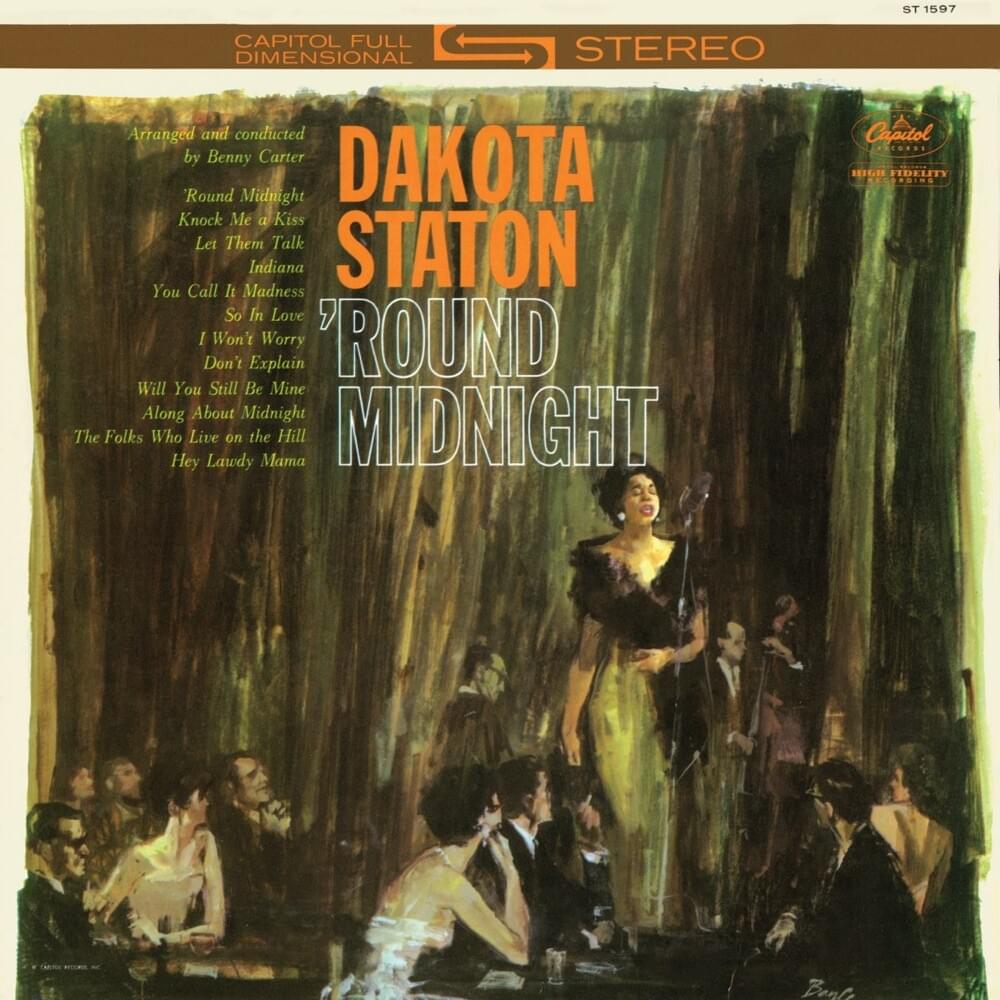
Dakota Staton's rendition of "Indiana" isn't just a geographical yearning; it's a masterclass in sonic nostalgia, a longing for a simpler, perhaps idealized, past. The lyrics, steeped in imagery of candlelight, sycamores, and freshly cut hay, function as triggers, each scent and sight pulling at the threads of memory. It's a psychological portrait of 'home' as a construct, a place built not just of brick and mortar, but of sensory experiences deeply intertwined with personal history. Staton's performance imbues the song with a world-weariness that hints at distance, both physical and emotional, from the idyllic Indiana she paints. The repetition of "Back home again in Indiana" underscores the cyclical nature of memory and the persistent pull of origins. It's the kind of longing that deepens with age, as the present inevitably pales in comparison to a carefully curated vision of the past.
The "gleaming candlelight" shining "through the sycamores" is more than just a pretty picture; it's a symbol of hope and guidance. The light cuts through the darkness, representing a path back to a place of comfort and security. This ties into the psychological need for belonging and the inherent human desire to return to a safe haven, especially during times of stress or uncertainty. The "Wabash" moonlight becomes a beacon, a dreamscape calling her back.
Ultimately, the song's meaning resides in its universality. While specifically about Indiana, it taps into the universal human experience of homesickness and the power of memory. Staton's interpretation elevates it beyond a simple state song, transforming it into a poignant exploration of identity, belonging, and the enduring allure of 'home' as both a physical place and a state of mind. The yearning for "Indiana home" becomes a stand-in for the deeper human desire for connection and a sense of rootedness in a transient world.
 View Artist