Song Meaning
The lyrics paint a stark picture of potential hardship, opening with a series of anxieties about falling into states of helplessness. The narrator expresses a fear of homelessness, hunger, and the indignity of begging, all while observing others building their lives. This initial vulnerability sets a tone of urgent self-reliance, emphasizing the desire to manage one's own fate without needing to ask for favors. It's a raw acknowledgment of precariousness, a plea to avoid the worst-case scenarios.
However, this fear quickly pivots to a powerful assertion of agency. The repeated refrain, "זה תלוי רק בנו" (It depends only on us), acts as an anchor, shifting the focus from external threats to internal capacity. The lyrics suggest that while challenges are real, the power to overcome them resides within the community and individuals themselves. This is further reinforced by the hopeful wish for children and graduates to be healthy and live long lives, framing future well-being as something that can be nurtured and achieved.
The writing cleverly uses the metaphor of a "half-empty glass" not as a symbol of despair, but as an opportunity. The lyrics propose that if you "give it a back to lean on, it will embrace you," suggesting that even perceived lack can be transformed through support and a willingness to engage. This perspective encourages finding solutions and offering help rather than assigning blame, highlighting a proactive approach to shared difficulties. The emphasis is on collective action and mutual aid as the path forward.
Ultimately, the song’s effectiveness lies in its grounded optimism. It doesn't deny the possibility of losing hope, but offers a clear, actionable path back: patience, perseverance, acceptance, understanding, and love. These are presented not as abstract ideals, but as concrete tools to "see the light at the end of the tunnel again." The repeated, declarative chorus reinforces the central message: the power to shape destiny, to avoid despair, and to find light, rests squarely on our own shoulders.
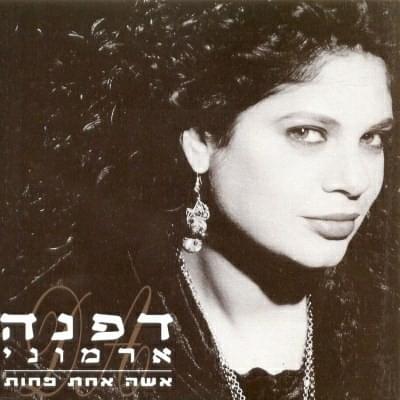
 View Artist