Song Meaning
These lyrics plunge us into the raw, immediate experience of waiting. The narrator is fixed on a single, specific sound: "המפתח במנעול" (the key in the lock). It's a vivid, auditory anchor for an overwhelming impatience, a feeling so strong they declare, "אין לי כוח לחכות" (I don't have the strength to wait).
The central tension here is the narrator's struggle against the relentless, stagnant passage of time. They attempt to fill the void, "כותבת עוד שורה או מציירת עוד צורה" (writing another line or drawing another shape), finding a fleeting "פורקן" (release) in these creative acts. Yet, this temporary solace is repeatedly shattered by the stark reality: "אך אתה לא כאן" (But you are not here), underscoring the futility of their efforts to truly escape the waiting.
The repetition of phrases like "הזמן לא עובר" (time doesn't pass) and "הזמן לא זז" (time doesn't move) hammers home the feeling of being trapped in amber, each moment stretching into an eternity. This stagnation is portrayed as a profound "סבל" (suffering), which the narrator explicitly states they wish to ease. The dramatic declaration, "יצירה, אהבה / יקחו אחד מאלה אז לקחו לי את החיים" (Creation, love / take one of these and they've taken my life), reveals the depth of what is felt to be missing, equating the absence of the other with a loss of life itself.
What makes these lyrics particularly effective is their nuanced conclusion. The narrator acknowledges, "ולא שאין לי אותי" (And it's not that I don't have myself), asserting a sense of self-possession even amidst the yearning. This isn't just a simple plea for presence; it's a complex articulation of how another's absence creates a specific kind of emptiness, despite one's own internal strength. It's a powerful statement that resonates because it grounds deep longing in a mature self-awareness.
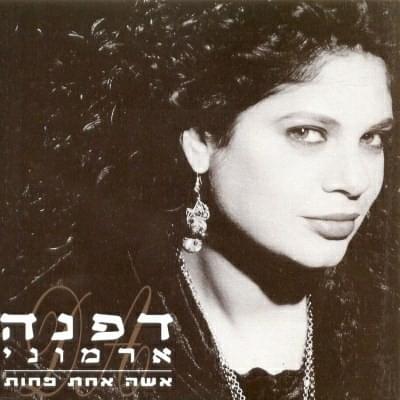
 View Artist