Song Meaning
The lyrics immediately establish a tone of urgent, almost desperate, quietude. The repeated command "Sei still" (Be still) acts as a mantra, a plea to cease all internal and external activity. This isn't a gentle suggestion; it's an insistent demand, amplified by the parallel plea, "Bitte denk' an nichts" (Please think of nothing). The narrator seems to be trying to suppress not just action, but thought itself, creating an immediate sense of unease.
The central tension arises from the stark contrast between the enforced stillness and the repeated, almost frantic assertion that "Alles ist gut" (Everything is good). This declaration feels less like a statement of fact and more like a desperate attempt to convince oneself or another. The insistence on closing one's eyes, "Mach' die Augen zu" (Close your eyes), suggests a deliberate avoidance of reality, a willful blindness to whatever might contradict the comforting, yet hollow, refrain.
The most striking aspect of the craft is the relentless repetition, not just of "Sei still" and "Alles ist gut," but also of "Bitte denk' an nichts." This obsessive looping creates a claustrophobic atmosphere, mirroring the narrator's struggle to maintain a facade of calm. The word "Bitte" (Please) appears, adding a layer of vulnerability to the commands, hinting that this enforced peace is fragile and perhaps not entirely voluntary.
This lyrical construction is effective because it taps into a primal human desire for peace, while simultaneously exposing the anxiety that often accompanies such forced tranquility. The insistent repetition and the contradictory messages create a powerful sense of psychological unease, leaving the listener questioning the true state of affairs behind the repeated assurance that everything is, indeed, good.
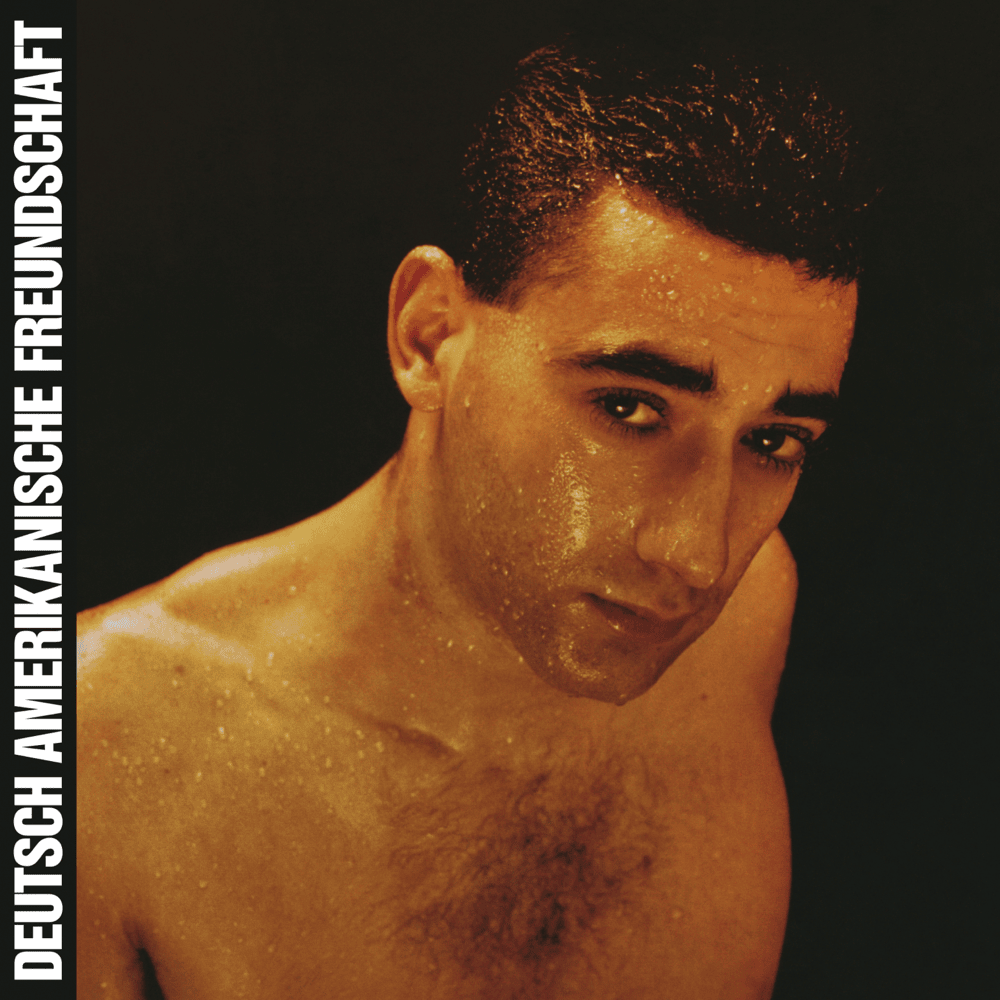
 View Artist