Song Meaning
The narrator is drowning in regret, haunted by a past love that has left them utterly depleted. The opening lines paint a stark picture of present desolation: "Pogledaj me sada kako sam bled, umoran, star" (Look at me now how pale, tired, old I am). This immediate self-assessment sets a tone of profound loss and self-recrimination, suggesting a love that consumed everything, leaving nothing behind but an empty shell. The contrast between this current state and the vibrant passion of the past is the core of the lament.
The central tension lies in the agonizing "Da sam tada bolje te znao" (If only I had known you better then). This refrain isn't just about missed opportunities; it's about the devastating realization that the love given was perhaps misplaced or misunderstood, leading to this current ruin. The narrator feels they "dadoh ti ljubav svu, ma sve sam svoje dao" (gave you all my love, yes, I gave you all of myself), only to end up with "ništa nemam" (I have nothing). This self-destructive generosity fuels the deep sense of betrayal and loss.
The lyrics masterfully employ repetition to hammer home this regret. The phrase "Da sam tada bolje te znao" acts as a constant, painful echo of what could have been. The narrator also repeats the idea of giving their all – "svu ljubav," "sve svoje dao," "život svoj" – emphasizing the totality of their sacrifice and the subsequent emptiness. This relentless focus on past actions and their dire consequences creates a suffocating atmosphere of inescapable sorrow.
Ultimately, the effectiveness of these lyrics stems from their raw, unvarnished portrayal of post-love devastation. The narrator isn't seeking solace or understanding; they are trapped in a cycle of self-blame and despair. The stark imagery of fading vitality and the repeated confession of a love that led to ruin make the narrator's pain palpable and deeply resonant, capturing the destructive power of a love that was perhaps never truly understood.
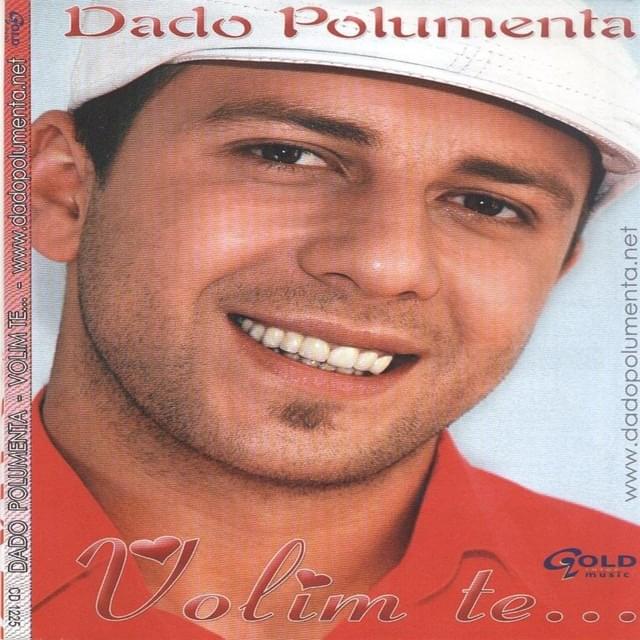
 View Artist