Song Meaning
This track kicks off with a stark warning: "A los enemigos que no se duerman." It’s a direct challenge, a declaration of readiness for conflict, punctuated by aggressive sound effects. The repeated phrase establishes an immediate tone of defiance and vigilance. The narrator isn't just talking; they're announcing their presence and their intent to engage.
The core tension here is a blend of bravado and territorial assertion. The group, identifying themselves as "Los Urrutia," claims mastery over both the dance floor – "Ponemos a brincar con este ritmo a cualquiera" – and any potential rivals. They position themselves as educators for those who "le guste la guerra," ready to teach a lesson to anyone who dares to challenge them. This duality suggests a group that thrives on both celebration and confrontation.
The lyrics employ a sharp, almost weaponized metaphor. The arrival of "Los Urrutia" is described as being "afilados como machete," emphasizing their sharpness and dangerous potential. They contrast their own impactful "lirica" with the cheapness of others, suggesting their words carry weight and consequence, unlike the empty boasts of their unnamed adversaries. This focus on lyrical prowess as a form of combat is a key element of their self-presentation.
The effectiveness of these lyrics lies in their unvarnished confidence and the vivid imagery of preparedness. The direct address to enemies, the boast of musical dominance, and the sharp metaphors combine to create a potent sense of an assertive, ready-for-anything crew. It’s a declaration of power, both on the mic and in any perceived conflict.
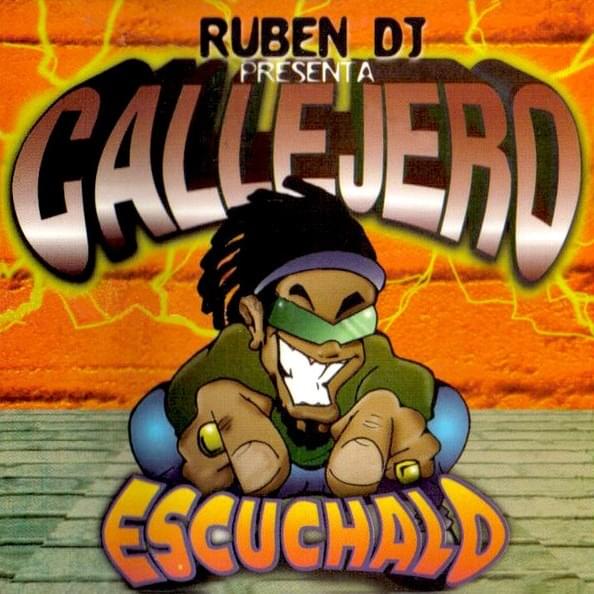
 View Artist