Song Meaning
The lyrics paint a picture of someone who was manipulated into becoming a hardened, unfeeling "player" by another person. Initially, the narrator was a "child," a "lookalike running wild," suggesting a state of innocence and perhaps a lack of self-identity. The other person, the one who "lied" and "faked regret," is credited with shaping this transformation, turning the narrator into someone who could inflict pain, "make them break, make them cry," to cover for the manipulator's own hidden actions. This dynamic is framed as a deliberate act: "Yeah it was you who made / Me the player."
The central tension lies in the narrator's forced evolution from a vulnerable "dog to kick" to a cold "player." The lyrics suggest a deep-seated resentment and a realization of the other person's manipulative tactics. The manipulator claimed they "didn't mean no harm," but their actions led to the narrator adopting a persona that inflicts emotional damage, making others "bleed" so the narrator doesn't have to. This is a painful irony: the narrator becomes the very thing they might have once despised, all because of the other person's influence.
The most striking craft element is the repeated assertion of the narrator's transformation into "the player," contrasted with the initial state of being "just a child." The lyrics also highlight the manipulator's deceptive nature, noting how they "lied" but "never broke a law," and how they "treat 'm well, you're wrong / You treat 'm right they're gone." This suggests a calculated approach to controlling others, pushing the narrator to become the instrument of that control. The final lines, "You'll never break my heart / Anymore," signal a hard-won independence, a victory achieved by becoming the very thing the manipulator might have feared: someone who can no longer be hurt because they've learned to inflict pain.
These lyrics resonate because they capture the painful process of being molded by another's actions, leading to a defensive hardening. The narrator's journey from innocence to a state of emotional self-preservation, even if it means becoming a "player," is a stark portrayal of how manipulation can force someone to adopt a persona they never intended. The final declaration of freedom, "Out the door," offers a sense of catharsis, a hard-earned escape from the cycle of emotional damage initiated by someone else.
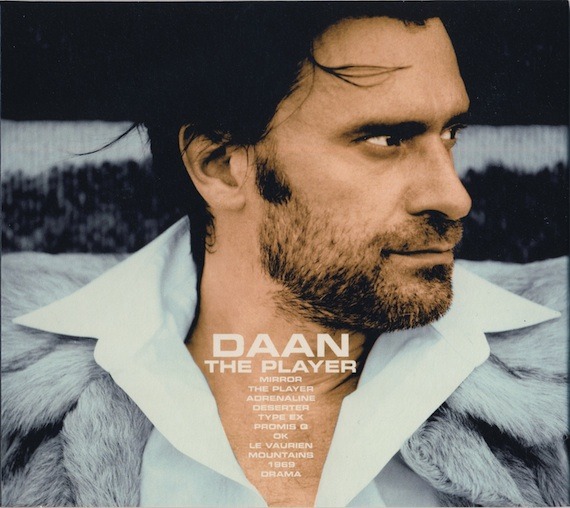
 View Artist