Song Meaning
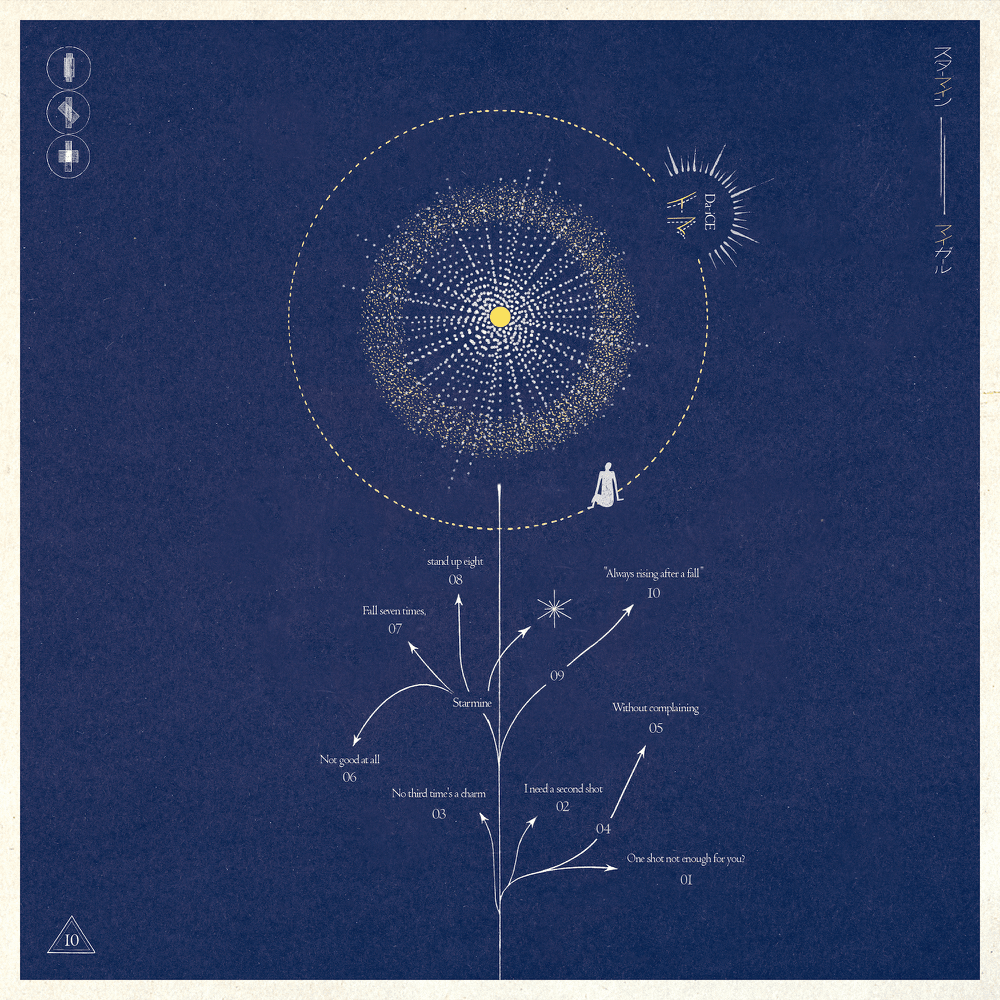
The lyrics paint a picture of a vibrant, almost overwhelming summer festival, centered around the explosive spectacle of fireworks. There's a palpable sense of urgency and a desire for more than just a fleeting moment of excitement, as the narrator repeatedly asks, "One shot isn't enough, is it? / I want a second round." This isn't just about passive observation; it's an invitation to actively participate in the intensity of the experience.
The core tension lies between the desire for an all-consuming, unforgettable event and the dismissiveness of superficiality. The narrator rejects the idea of "three strikes and you're out" and tells doubters to "stop fussing," suggesting a need to push past hesitation. The imagery of "angels in light clothing" making noise and "only the exposure increasing" hints at a critique of surface-level excitement that lacks true substance. The real festival, the lyrics imply, is just beginning.
A striking element is the playful yet insistent rhythm and wordplay. The traditional fireworks calls "Kagiya, Tamaya" are juxtaposed with a more modern, almost exasperated "Go up, go up, agreed / But sometimes, go down, go down, God damn." This contrast between established tradition and present frustration creates a dynamic push-and-pull. The repeated phrase "Rokudemonai" (worthless/good-for-nothing) acts as a dismissive counterpoint to the grand spectacle being built, underscoring the narrator's impatience with anything less than extraordinary.
Ultimately, these lyrics resonate because they capture the feeling of wanting to seize a moment with maximum impact. The call to "ignite a star mine at burning-hot close range" and to "color the future, not the past" speaks to a desire for a powerful, forward-looking experience. The lyrics suggest that true celebration involves embracing intensity and pushing beyond limitations, creating a spectacle that is both breathtaking and meaningful.
 View Artist