Song Meaning
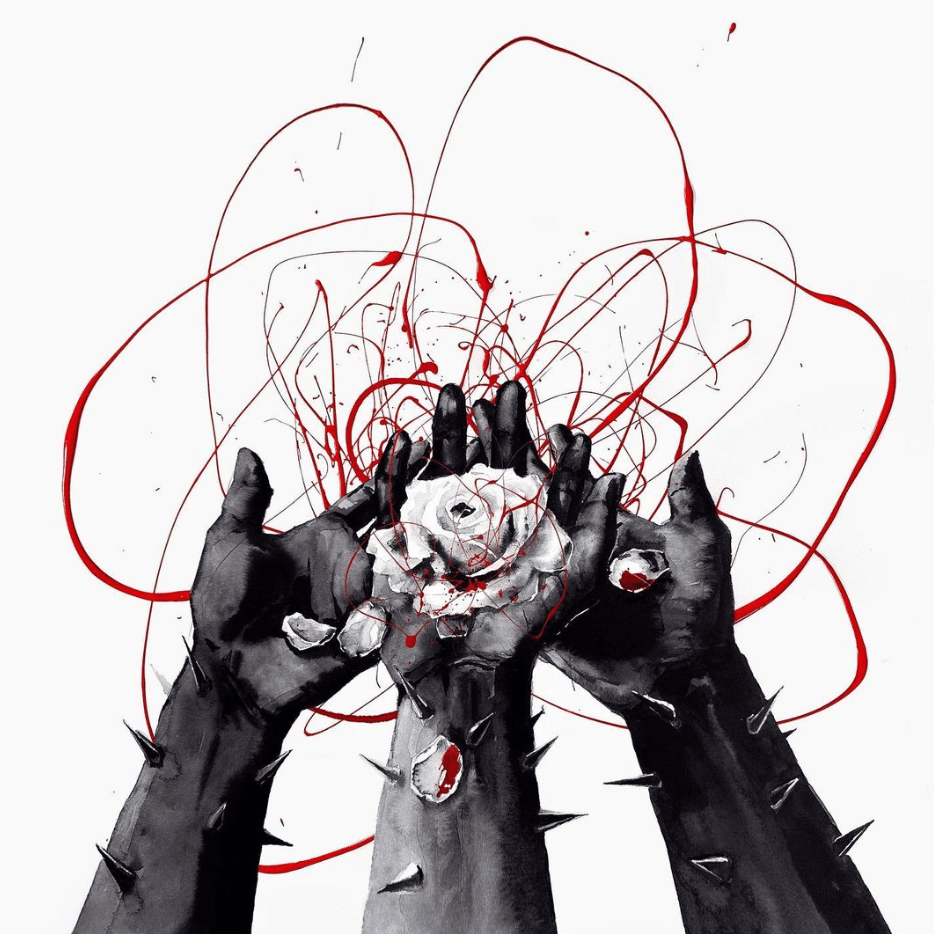
The narrator is stuck in a loop of heartbreak, unable to move past a relationship that has ended. The simple declaration of love is now absent, replaced by a damaged heart described as "taped up and it's stapled." This imagery powerfully conveys a sense of being broken and crudely repaired, yet still fundamentally fractured and unable to function normally.
The central conflict lies in the inability to "move on as I should," a phrase that highlights the internal struggle against a desired but unattainable state of healing. The repeated action of "watching you leave again" and the mental replay of this event "a million times" underscore the cyclical nature of the pain. This isn't just a single instance of heartbreak, but a recurring trauma that prevents any progress.
The lyrics employ a stark, almost brutal honesty in their depiction of emotional damage. The idea of the heart being "taped up and it's stapled" is a visceral metaphor for a desperate, makeshift attempt at self-preservation that fails to truly mend. The narrator's mind is "picking my mind up off the floor," suggesting a state of complete mental disarray, and the rhetorical question about putting it back in their skull, followed by a definitive "No," emphasizes the profound and perhaps permanent disorientation caused by the breakup.
This raw, unvarnished portrayal of emotional wreckage is what makes the song resonate. The narrator isn't offering platitudes or easy answers; they are simply articulating the agonizing reality of being trapped in grief. The contrast between the past promise of "forever" and the current "fable" of that claim drives home the depth of betrayal and the difficulty of reconciling past hopes with present pain, making the repeated "my heart is breaking once more" feel devastatingly earned.
 View Artist