Song Meaning
The lyrics paint a picture of someone grappling with uncertainty, contrasting the comforting idea of 'birds fly home' with their own experience of 'float[ing] in the unknown.' This sets up an immediate tension between a received wisdom and personal reality. The narrator questions their own knowledge and sense of direction, admitting to 'dancing on my own,' which suggests a solitary and perhaps aimless existence.
The central conflict arises from the desire for belonging and certainty, represented by the homing instinct of birds, versus the narrator's current state of being adrift. The repeated question, 'What is it like to look up and fly,' underscores this yearning for freedom and a clear path. While the narrator initially states 'I've been told that birds fly home,' the later realization, 'now I know that birds fly home,' signifies a shift, suggesting a dawning understanding or acceptance of this natural order, even if their own journey is still unfolding.
The most striking element is the evolving relationship with the phrase 'birds fly home.' Initially presented as an external piece of information, it transforms into a personal revelation. The narrator's assertion of 'soaring on hope' acts as a bridge, indicating that even without a fixed destination, there's an internal drive and optimism fueling their movement. The repetition of 'We will fly' offers a communal or aspirational element, hinting at a shared future or a collective embrace of the unknown.
This lyrical structure effectively captures the feeling of being in transition. The contrast between the established metaphor of birds returning home and the narrator's personal experience of the 'unknown' creates a relatable sense of searching. The eventual shift from 'I've been told' to 'now I know' provides a subtle but powerful arc, suggesting that self-discovery, even amidst uncertainty, can lead to a form of internal flight and hope.
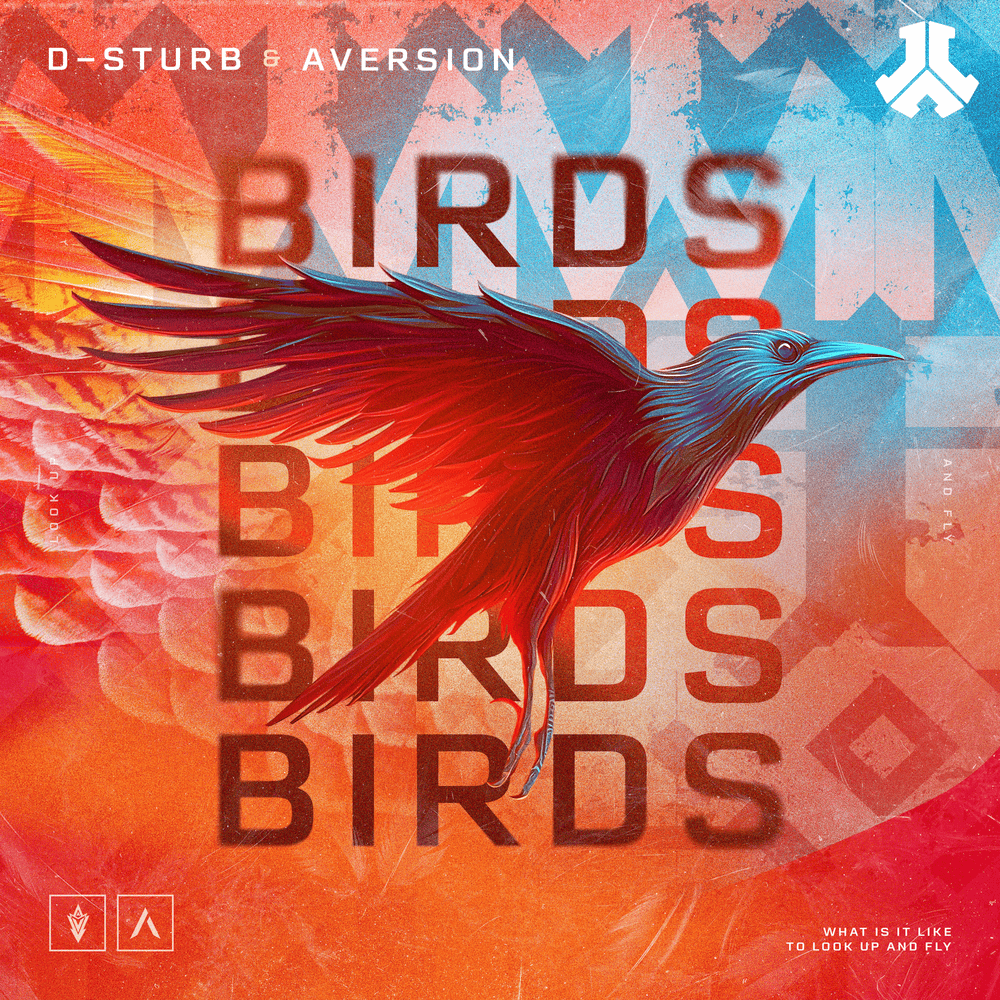
 View Artist