Song Meaning
The lyrics paint a raw, immediate picture of heartbreak. The narrator witnesses a moment that shatters her world: seeing her love with another. This visual trigger unleashes an overwhelming wave of sorrow, a visceral reaction that bypasses thought and goes straight to the gut. The dominant emotion is a desperate, almost physical pain at the prospect of loss.
The central tension lies in the narrator's extreme reaction to perceived abandonment. The idea of going blind is presented not as a physical ailment, but as a preferable alternative to witnessing the departure of her lover. This hyperbolic statement underscores the depth of her emotional agony; the sight of him leaving is more unbearable than any physical disability. She explicitly states, "I love you so much / That I don't wanna watch you leave me," framing her desire for blindness as an act of self-preservation against unbearable pain.
The most striking craft element is the potent, almost surreal metaphor of choosing blindness over witnessing the breakup. The reflection in the glass serves as a stark confirmation of her internal state, revealing "the tears that was on my face" only after the initial shock. This juxtaposition of an external reflection with an internal emotional reality highlights the overwhelming nature of her grief. The repetition of "I would rather go blind" emphasizes the intensity and singularity of her desperate wish.
These lyrics hit so hard because they articulate a universal fear of loss through a specific, intensely personal, and almost surreal declaration. The narrator's willingness to embrace a profound sensory deprivation – blindness – to avoid the pain of seeing her love walk away is a powerful, albeit extreme, expression of devotion and despair. It’s this raw, unvarnished articulation of a pain so deep it warps reality that makes the sentiment so resonant.
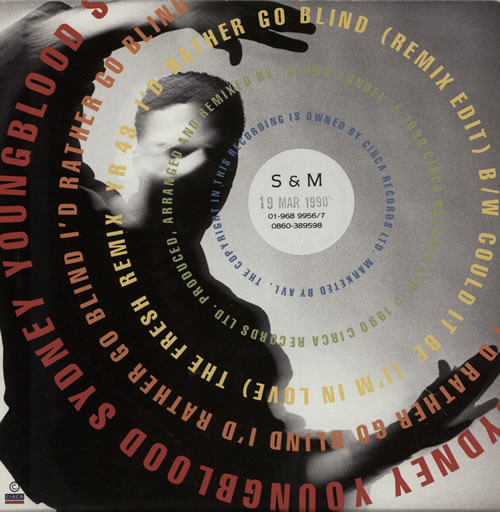
 View Artist