Song Meaning
The lyrics paint a picture of relentless, almost anxious forward motion, a desperate attempt to keep pace with life's demands. The opening lines capture a sense of urgent self-improvement and a need to understand the world's complexities, specifically the transition from childhood innocence to adult experience. This isn't a leisurely stroll; it's a race against time, driven by the desire to 'grow old as fast you can' and grasp how 'a little girl becomes a man.'
This drive is mirrored in the cyclical actions described: 'learning to watch / And you're watching to learn,' and 'look and you touch.' These phrases suggest a passive, observational approach to gaining knowledge and experience, all while 'hop[ing] for your turn.' The underlying tension is the constant state of waiting, of 'waiting for the world to come around,' implying a lack of agency and a feeling of being at the mercy of external forces.
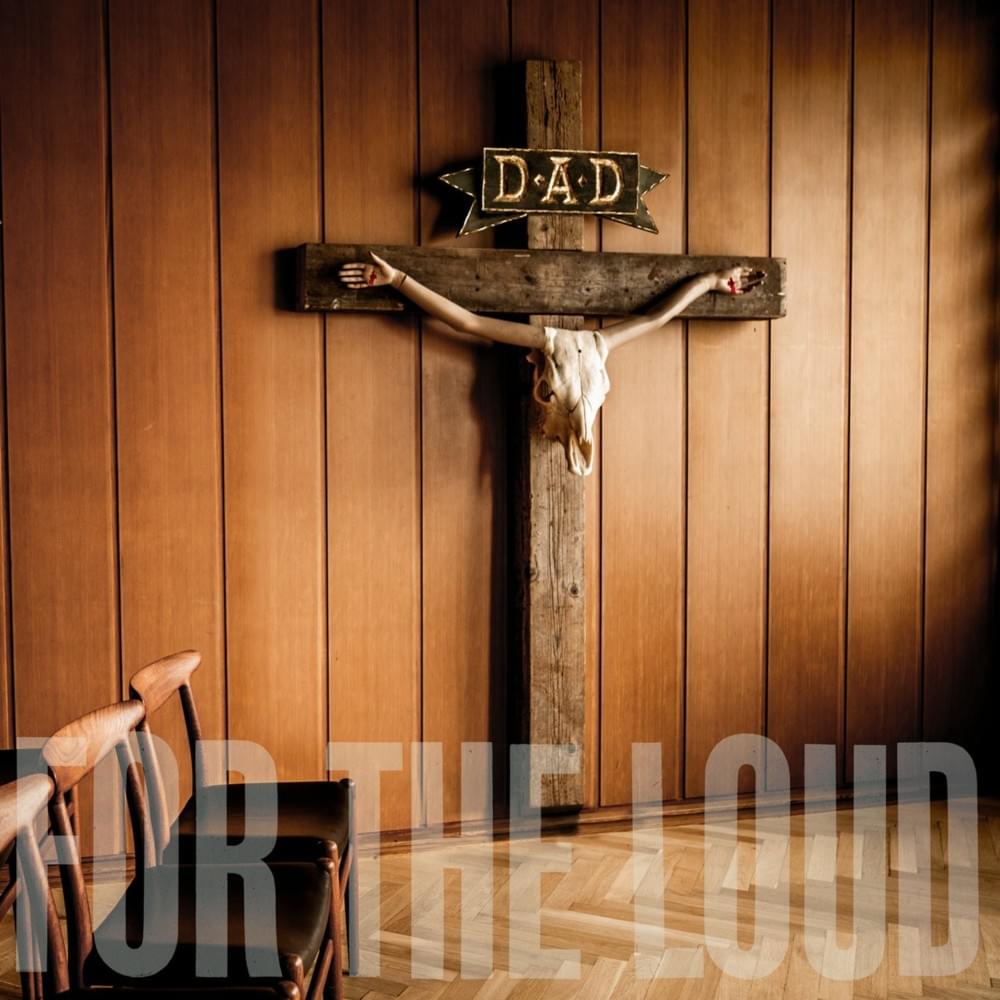
The central metaphor of musical chairs crystallizes this feeling of precariousness and competition. Everyone is scrambling for position, making a move 'just before the traffic lights turns blue,' a moment of fleeting opportunity. The abrupt end, 'the music stops and you're without a chair,' is a stark image of failure or being left behind, highlighting the anxiety of not securing one's place. The final lines reinforce this sense of urgency and uncertainty, suggesting that 'there ain't no wisdom' in the pursuit, only the immediate future and the need to keep moving forward, 'running round the face of earth' in search of something meaningful.
What makes these lyrics resonate is their portrayal of a universal, yet deeply personal, struggle for belonging and purpose. The craft lies in the simple, almost childlike imagery that belies a profound existential unease. The repetition of observational actions and the sudden, sharp conclusion of the musical chairs game create a palpable sense of anxiety and the feeling of being perpetually on the cusp of something, yet never quite arriving.
 View Artist