Song Meaning
The narrator opens by declaring an identity as something boundless and resilient, comparing themselves to the wind that drifts endlessly and always wins, even through hardship. This initial assertion of strength and unwavering commitment to friends suggests a powerful, almost heroic self-image. The repeated phrase "Every day I live" anchors this grand declaration to the present moment, emphasizing a continuous, active engagement with their fate. The core of this self-perception is a commitment to giving "the best in me."
However, a profound internal conflict emerges when the narrator shifts to comparing themselves to the sun. While the wind is about constant movement and overcoming, the sun has a "day" that "ends," bringing a moment of self-doubt: "Sometimes I don't like the person I've become." This introduces a stark contrast between the external persona of invincibility and an internal struggle with self-acceptance. The lyrics pose a crucial question: is the "enemy within," or are external forces at play, making the "world's so dead ahead"? This tension between outward resilience and inward questioning is the emotional engine of the piece.
The most striking craft element is the dual identification with the wind and the sun, and the subsequent questioning of that identity. The wind represents an unstoppable force, always moving forward, while the sun, despite its power, experiences a daily cycle of completion and potential dissatisfaction. The repetition of "I am the wind" and "I am the sun" becomes less a statement of fact and more a desperate assertion against the encroaching doubt. The final lines, "And one day we'll all be one," suggest a yearning for ultimate unity and peace, perhaps a transcendence of the internal conflict and the cyclical nature of self-doubt.
This song resonates because it captures the common human experience of projecting strength while grappling with personal insecurities. The lyrics don't shy away from the difficulty of self-perception, particularly when faced with the inevitability of endings, symbolized by the sun's setting. The ultimate message, however, leans towards a hopeful resolution, a belief in eventual oneness that offers solace even amidst the struggle to accept oneself and the path ahead.
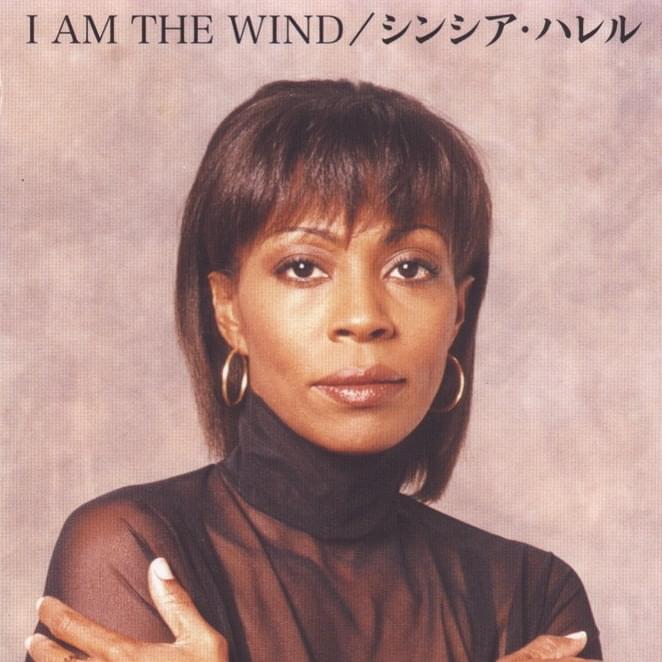
 View Artist