Song Meaning
Cyndi Thomson's "I Always Liked That Best" isn't just nostalgia; it's an excavation of intimacy, a post-mortem on a love affair conducted in the quiet spaces between grand gestures. The lyrics eschew melodrama for the subtle, sensory details that often define our most cherished relationships. It's a song swimming in the remembered textures of a past romance: the weight of a head on a chest under a blanket of stars, the lingering scent of a lover's shirt, the casual touch beside a river. These aren't the earth-shattering moments, but the tiny, repeated joys that build a foundation of connection. The phrase "I always liked that best" becomes a mantra, a way of anchoring oneself to the specific pleasures that are now absent.
The repeated lines, "I like the way you used to hold me / I like the way you came to know me," suggest a deeper longing than simple physical affection. It's a yearning for the feeling of being truly seen and understood. The reference to "Lady In Red," a seemingly simple serenade, hints at the vulnerability inherent in sharing personal expression. The song implies that the narrator valued the emotional intimacy of the relationship even more than the grand romantic gestures. The repetition of "You came to know me well, well, well" emphasizes the unique bond that was lost.
In its simplicity, "I Always Liked That Best" achieves a profound resonance. It acknowledges that love isn't always about fireworks; often, it resides in the small, quotidian moments that accumulate over time. The understated grief in the final verse, "So many things I miss now that you're gone / Your love, oh yes / I always liked that best," speaks volumes. It's a mature reflection on loss, an acceptance that the most painful absences are often the ones we didn't realize were shaping our lives until they were gone. The song's brilliance lies in its ability to evoke a universal feeling of longing for a past love through highly specific, personal details.
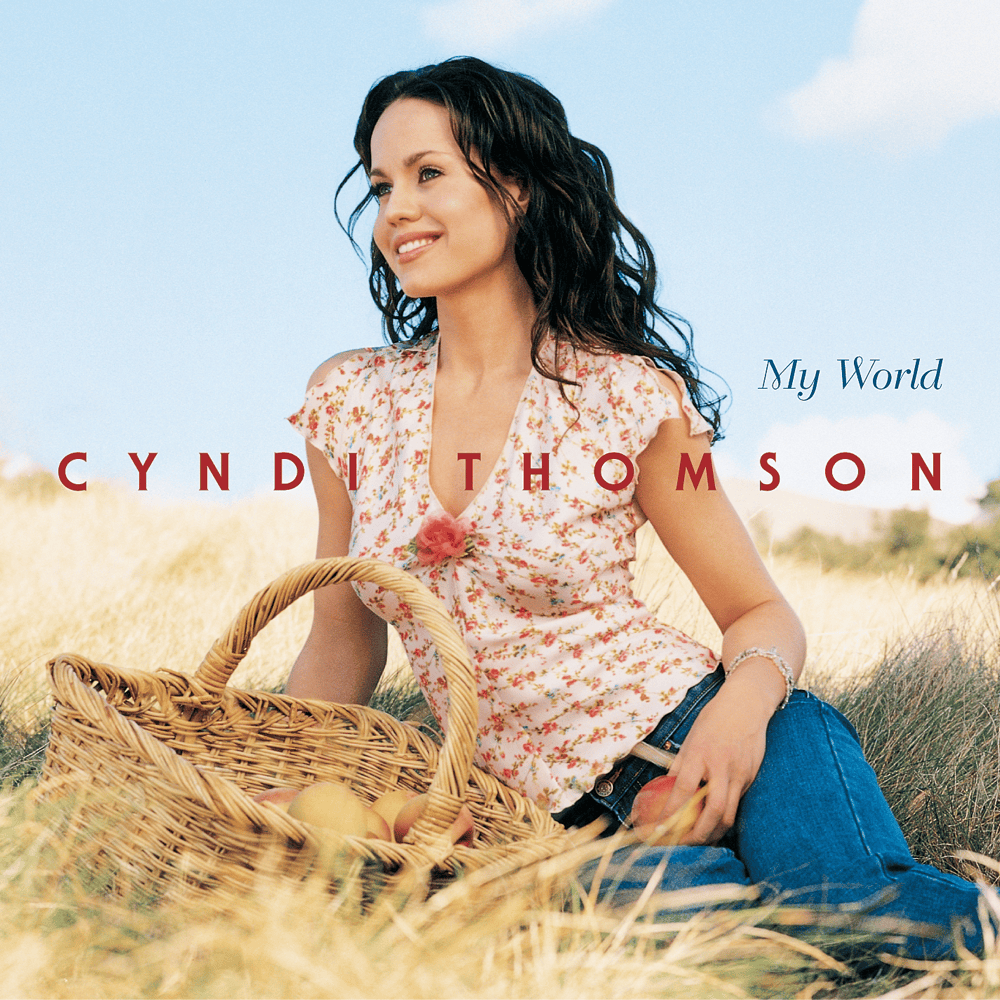
 View Artist