Song Meaning
Curtis Stigers's "Marie" isn't just another love song; it's a raw, almost embarrassingly honest confession of devotion teetering on the edge of self-destruction. The opening lines paint a fairytale image – "You looked like a princess the night we met" – a romanticized memory quickly undercut by the speaker's drunken state. This sets the stage for a love declared under the influence, a love that might not be entirely rational, but feels undeniably real. The repeated declaration, "I loved you the first time I saw you / And I always will love you, Marie," becomes both a vow and a desperate plea. It's the kind of unwavering, perhaps even obsessive, love that can be both beautiful and terrifying.
But the song's emotional core lies in the speaker's acknowledgment of his own flaws. He romanticizes Marie as nature's wonders, then contrasts this idealized vision with unflinching self-criticism. He admits to being "crazy," "weak," and "lazy," confessing that he's hurt her and doesn't listen. The line, "When you're in trouble I turn away," is a particularly brutal admission of failure, suggesting a deep-seated inability to be the partner Marie needs. This isn't just about acknowledging imperfections; it's about recognizing the active harm he inflicts.
The song's power comes from this tension: the simultaneous expression of profound love and the stark awareness of personal inadequacy. It's a portrait of a relationship struggling under the weight of its own imbalances, fueled by intense emotion but plagued by the speaker's inability to fully meet his partner's needs. "Marie" becomes a heartbreaking exploration of how even the purest love can be tainted by human fallibility. The song meaning resides in the speaker's torment, knowing he may not deserve the love he so desperately craves. Ultimately, Stigers delivers a complex take on love, where adoration and personal failings intertwine to create a poignant, and unsettling, ballad.
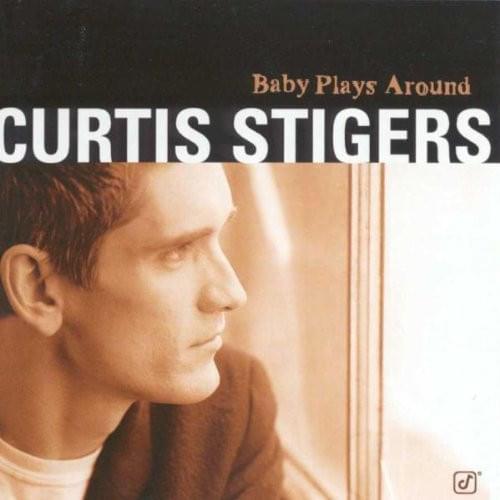
 View Artist