Song Meaning
Curtis Stigers's "Into Temptation" isn't just a song; it's a masterclass in sonic seduction, a carefully constructed soundscape mirroring the lyrical themes of irresistible allure and the inevitable fall. The track explores the psychology of desire, laying bare the internal conflict between resistance and surrender. The opening lines set the stage, a vulnerable protagonist confronted by an undeniable temptation, symbolized by the 'new blue dress' that steals his breath. This isn't a simple lust song; it's about the intoxicating power of something forbidden, a 'cradle of soft and warm' that promises comfort while simultaneously hinting at danger. The repeated line 'logging for wealthy earth will rebel' is more cryptic, perhaps suggesting that the pursuit of material wealth has set him on the path to this dangerous liaison. It could also be a statement about ecological destruction, where he is 'logging for wealthy earth' which may cause the earth to 'rebel', much like his own body and mind will rebel due to the temptation.
The chorus, a raw confession of weakness, exposes the narrator's inner turmoil. 'Into temptation, I am nervous words' suggests an inability to articulate the depth of his desire, his feelings reduced to fragmented, inadequate expressions. The lyrics hint at a pre-existing vulnerability, a susceptibility to the very temptation he now faces. The song delves into the idea of choice, or rather, the illusion of it. Stigers captures the moment where rational thought dissolves, replaced by an overwhelming impulse.
The latter half of the song explores the aftermath of succumbing to temptation. 'The guilty get no sleep' and 'experience is cheap' speak to the hollow feeling that follows the initial thrill. There’s a recognition of the warning signs ignored, the internal voice silenced by the allure of the moment. Yet, even with the weight of guilt, there's a desperate desire to remain within the intoxicating embrace, as shown by the repeated line 'Don't wanna break the spell'. This internal struggle underscores the complex nature of temptation, where pleasure and pain become inextricably linked, and the desire to escape becomes a prison in itself.
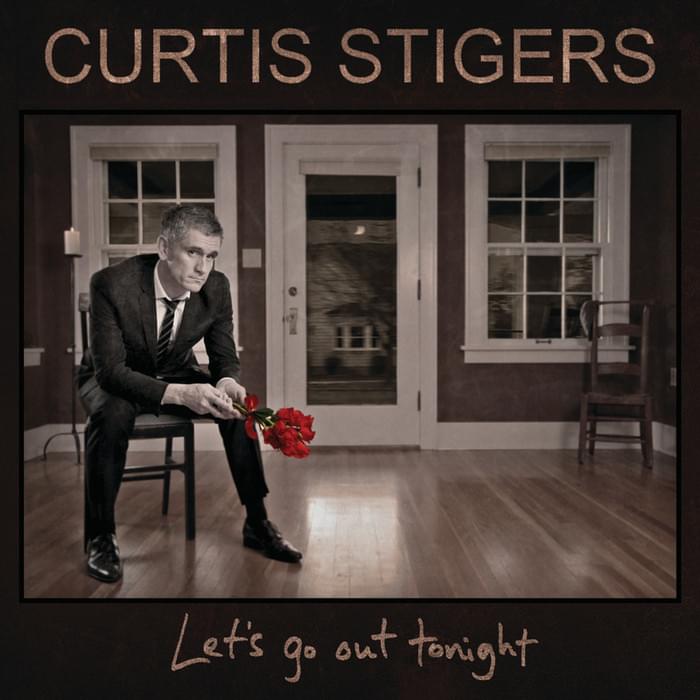
 View Artist