Song Meaning
Curtis Stigers' interpretation of "In The Wee Small Hours Of The Morning" isn't just a song; it's a masterclass in melancholic introspection. The track excavates that specific, desolate corner of the human psyche reserved for the hours when the world is silent, and regret amplifies. It's about the raw, unfiltered ache of longing—that hollow space carved out by a love that either slipped away or never quite materialized. Stigers doesn't just sing the lyrics; he embodies the quiet desperation of someone trapped in a loop of 'what ifs' and missed opportunities. The genius lies in its simplicity. There's no elaborate narrative, no theatrical drama, just the stark reality of sleeplessness fueled by heartache. The repeated references to the 'wee small hours' emphasize the cyclical nature of this pain, suggesting that this isn't a one-time occurrence but a recurring torment.
The lyrics themselves, economical yet evocative, paint a portrait of a man utterly consumed by thoughts of a woman. The line about not 'counting sheep' is deceptively profound; it signifies a mind too active, too preoccupied with emotional turmoil to find solace in mundane distractions. Instead, he's caught in an endless replay of memories and fantasies, each one a painful reminder of what he's lost or failed to attain. The phrase 'lonely heart has learned its lesson' hints at a deeper understanding, perhaps a recognition of his own role in the relationship's demise, adding another layer of complexity to the emotional landscape.
Ultimately, the song's meaning resides in its universality. Anyone who's ever experienced the sting of unrequited love or the regret of a relationship gone sour can find resonance in Stigers' delivery. It's a reminder that vulnerability, while often painful, is also a deeply human experience, and that even in the darkest hours, there's a strange comfort in knowing that you're not alone in your suffering. The track isn't just about missing someone; it's about confronting the stark reality of loneliness and the enduring power of memory to both comfort and torment.
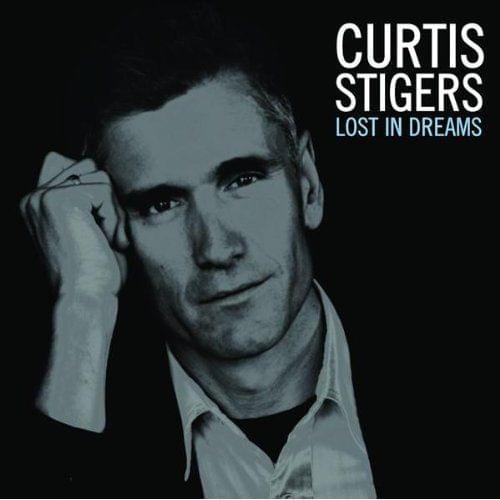
 View Artist