Song Meaning
Curtis Lee's "Paul Clifford (Chapter XIX)" offers a deceptively simple message, one that belies the complex emotional calculus underpinning romantic connection. The song isn't just a saccharine declaration of affection; it's a plea for reciprocal vulnerability. The lyrics, though straightforward, tap into the fundamental human desire to be both loved and understood, painting a picture of love as a safe harbor in a world often driven by ambition and material pursuits. Lee isn't merely advocating for expressing love; he's highlighting the importance of belief and understanding within a relationship. This creates a sense of profound security.
That yearning for reciprocation elevates "Paul Clifford (Chapter XIX)" beyond a simple love song. The line, "But the greatest thing that you'll ever learn / Is to love and be loved in return," anchors the song’s meaning. It suggests that true fulfillment isn't found in worldly achievements, but in the mutual exchange of love and acceptance. This speaks to a deep-seated psychological need for connection, for feeling seen and valued by another person. The song gently pushes against the modern tendency to prioritize individual success over interpersonal relationships. It frames genuine connection as the ultimate reward.
The title itself, "Paul Clifford (Chapter XIX)," adds another layer of intrigue. Without further context, one can only speculate that it represents a specific chapter or turning point in a narrative of love. Perhaps referring to a moment of realization, or a crucial decision within a romantic relationship. Regardless, Lee emphasizes the importance of expressing affection ("tell her so") and offering unwavering support ("take her hand, make her understand"). The song ultimately lands as a testament to the power of vulnerability, urging listeners to embrace the risk of exposing their emotions in the pursuit of authentic connection.
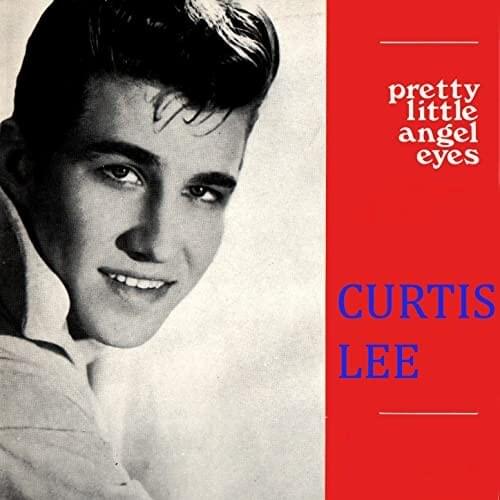
 View Artist