Song Meaning
The lyrics paint a vivid picture of a past intense, passionate relationship, marked by physical heat and shared intimacy. The initial scene is charged with a raw, almost primal energy, where "stained walls would swell with passion" and their "sweat warped the wooden floorboards." This physical exertion and emotional fervor are directly linked to the act of lovemaking, amplified by the deliberate darkness of kicking out the nightlight to let the "moon bleed through the window." It’s a moment captured in time, a memory of a shared, burning intensity.
The narrative then shifts to a present state of disillusionment and stagnation, a stark contrast to the past. The phrase "killing time" and the question "Trying to love / What we can't find" reveal a sense of aimlessness and emotional drought. The recurring line "A drier heat than we know blistered me badly" suggests a painful, less fulfilling experience, perhaps a metaphorical or literal heat that causes damage rather than passion. This feeling of being burned out permeates the present, a consequence of past excesses or present struggles.
The craft of the lyrics shines in its use of recurring imagery and contrasting sensory details. The initial warmth and passion of the warped floorboards and moonlit bodies are juxtaposed with the present-day dryness and the narrator's need to "keep the nightlight on." The "screaming blindly" at "wishing stars that wrecked me" is a powerful image of misplaced hope and subsequent disillusionment. The streetlights bursting into "flames" and "screeching too bright" in the present amplify the feeling of harsh, unwelcome exposure, a far cry from the gentle, erotic moonlight of the past.
Ultimately, these lyrics resonate because they capture the painful transition from passionate, consuming love to a state of weary resignation and emotional burnout. The specific, tactile details of the past—the swelling walls, the warped wood, the bleeding moon—ground the memory in a visceral reality. The present, with its dry heat and blinding lights, feels like a hollow echo, highlighting the profound loss of that initial, destructive, yet vital, fire. The repetition of "burning out" underscores the inescapable feeling of depletion and the lingering impact of a love that consumed itself.
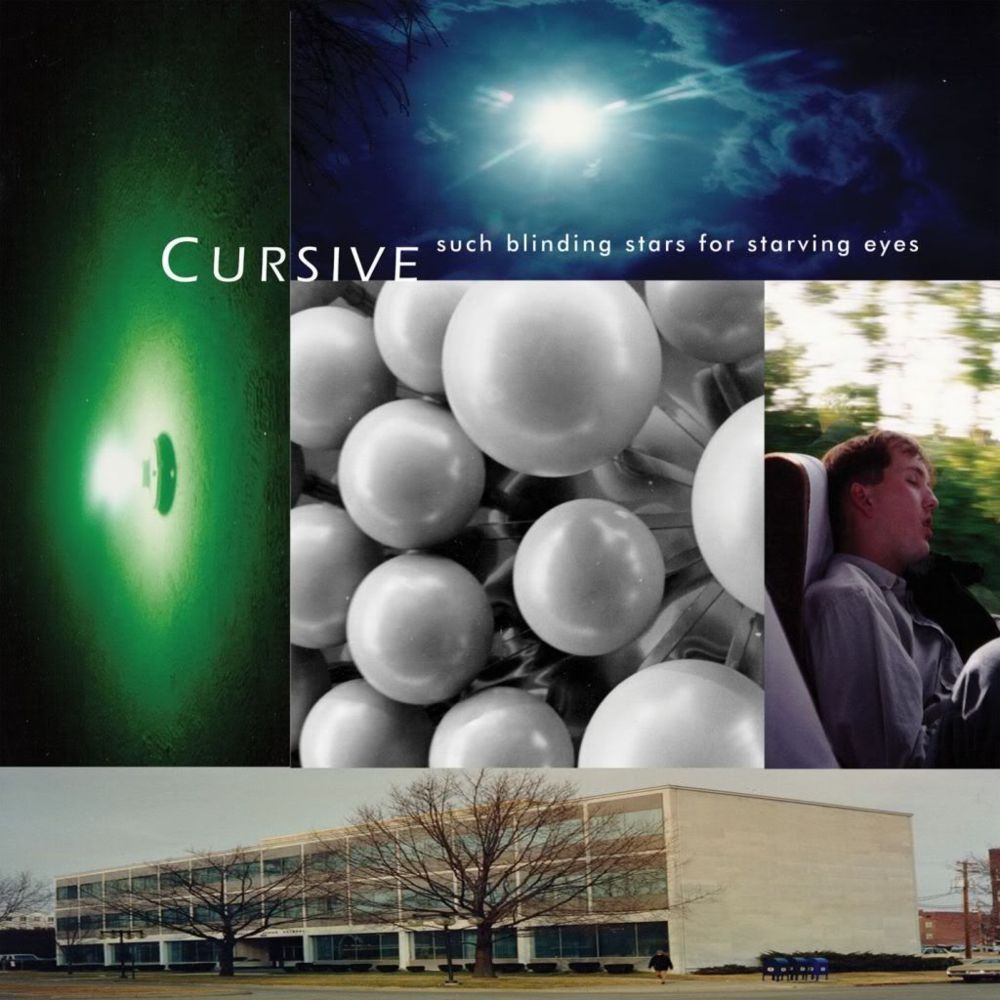
 View Artist