Song Meaning
The lyrics paint a stark picture of stagnation and vulnerability, set against the backdrop of a passing world. The narrator and their companion are literally "watching cars," a potent image of being left behind while life moves on. There's a palpable sense of waiting for external intervention – "Will anyone stop for us" – that never seems to arrive. The day itself "passes away," mirroring their own perceived lack of progress and deepening the feeling of being stranded. The cracked sidewalk and the imagined soundtrack underscore a sense of arrested development, a life paused indefinitely.
The central tension here is the desperate hope for rescue versus the crushing reality of isolation. The narrator grapples with self-doubt, questioning if their own "lost faith in visibility" contributes to their predicament. They feel like "ghosts of the passers-by," unseen and disconnected, "passive and stranded." This internal struggle is amplified by the external threat of a brewing storm, a "storm watch, so beware," which introduces a new layer of danger. The cars, once symbols of potential escape, are now presented as fragile, capable of "capsize in strong winds," suggesting that even the means of progress are precarious.
The repeated phrase "We've lost transmission" is a powerful metaphor for a breakdown in communication and connection, both internally and externally. It suggests an inability to send or receive signals, a fundamental disconnect that leaves them adrift. This loss of transmission is directly linked to the fear of a definitive end, as voiced in the desperate plea, "Don't tell me this is how it ends." The lyrics effectively use this technical failure to represent a profound emotional and existential crisis, highlighting the fragility of their situation and their desperate desire to avoid a final, irreversible collapse.
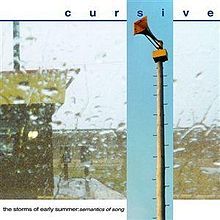
 View Artist