Song Meaning
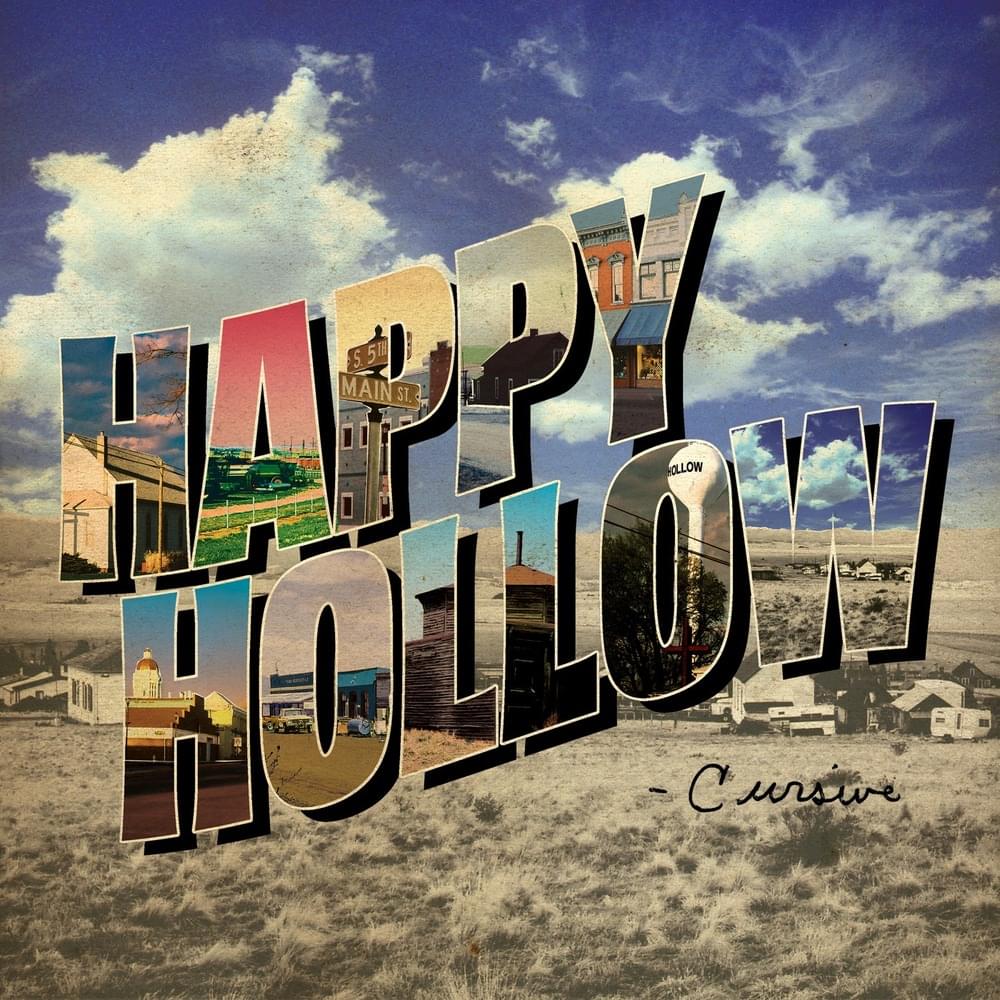
The lyrics open with a stark portrait of a small town, immediately framing it as a place steeped in "guilt" and "folly." This sets a somber, almost judgmental tone for the community, suggesting a collective neurosis beneath a seemingly placid surface. The mention of "fourteen hymns for the heathen" hints at a spiritual or moral reckoning within this setting, preparing for a more personal reflection.
The core of the song focuses on the intense, egocentric perspective of a newborn. The narrator observes how the baby's world, fresh from the womb, feels "immense" and how their own head seems "smaller than you assumed." This initial bewilderment quickly morphs into a profound, albeit mistaken, sense of self-importance, where the baby might believe "you're why the world was made." This is the central tension: the natural, innocent self-centeredness of infancy contrasted with the narrator's awareness of a larger, more complex reality.
The most striking craft element is the direct address to the "baby" and the subsequent, almost immediate, pivot to the collective "we." The narrator acknowledges the baby's perceived "special gift" and potential to "make a difference," only to undercut it with the stark realization: "Such delusions we all struggle with." This juxtaposition highlights the universal human tendency towards self-importance, whether born of innocence or ingrained habit. The lyrics then offer a surprising resolution: "This is all we are, we simply exist."
Ultimately, the effectiveness lies in this candid, almost melancholic, dismantling of ego. The repeated "Baby, baby, baby" draws us into the infant's world, making the subsequent realization that "You're not the chosen one / I'm not the chosen one" feel earned and poignant. The final lines, "But we don't need anyone / Let's not choose anyone," offer a quiet liberation, suggesting that acceptance of our ordinary existence, free from the burden of being "chosen," is its own form of peace.
 View Artist