Song Meaning
The lyrics capture the recurring feeling of an anniversary, a day that arrives once more. There's an immediate sense of time's relentless march, stated plainly: "Aeg ei saa / Peatuda" (Time cannot / Stop). Yet, this inevitability is met not with dread, but with an embrace of celebration, a call to gather everyone for a party. The mood shifts quickly from the abstract passage of time to the concrete act of preparation and shared enjoyment.
The central tension lies in balancing the awareness of time passing with the joy of the present moment. The narrator acknowledges that "Aasta aega / Saanud mööda" (A year has / Passed), and that much more awaits, but this doesn't diminish the current occasion. Instead, it seems to heighten the desire to make the most of it, to fill the space with friends and shared contributions. The repeated invitation, "Tahad sa / Juurde lisada / Ole lahke ja too" (Do you want / To add more / Be kind and bring), emphasizes this communal spirit and the collective effort to create a festive atmosphere.
The imagery of the table laden with contributions – "See, mis keegi tuua sai" (What someone brought) – paints a vivid picture of a potluck or shared feast. This communal aspect is further cemented in the description of a "Tillukene hoov" (Tiny yard) filled with friends waiting, their collective wish being simply to "Rõõmu vaid jagada!" (Just share joy!). The contrast between the vastness of passing time and the intimacy of this small gathering highlights the lyrics' focus on cherishing these moments of connection.
Ultimately, the effectiveness of these lyrics comes from their straightforward, unpretentious celebration of shared experience. They tap into the universal feeling of marking time, not with melancholy, but with a grounded appreciation for the people and simple pleasures that make an occasion special. The emphasis on collective contribution and shared joy creates a warm, inviting sentiment that resonates with the act of coming together.
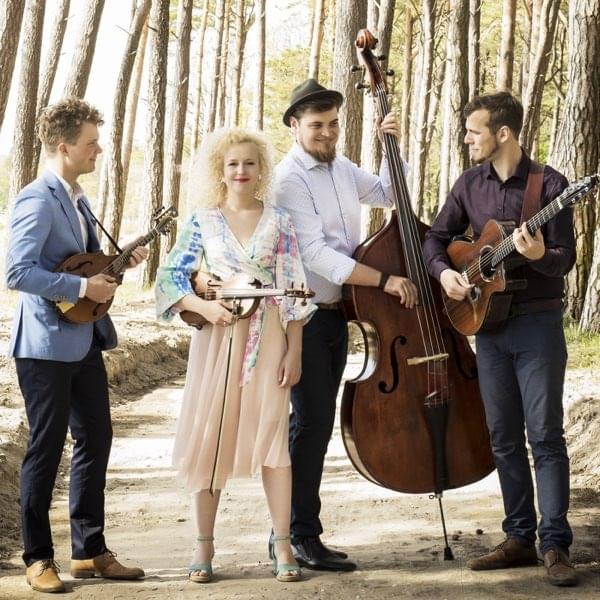
 View Artist