Song Meaning
The narrator declares a radical shift in priorities, ditching previous, perhaps mundane or unfulfilling, pursuits for a singular obsession. The opening lines paint a picture of a life previously occupied with fleeting encounters or activities, like "girls in and out a motorboat," which now hold no appeal. This deliberate turning away from the familiar suggests a profound change has occurred, leaving the old ways behind.
The core of this transformation is the arrival of "Polly Sunday," described with hyperbolic praise as the "sweetest girl in the universe." This declaration isn't just a crush; it's presented as a complete reorientation of the narrator's world. The mundane actions previously listed are contrasted with a new, almost childlike, engagement with the world, like feeding monkeys or shooting an airgun, which now seem more compelling than before, or perhaps are simply overshadowed by the narrator's new focus.
The lyrics employ a striking contrast between the narrator's past indifference and their current fervent state. The repetition of "They don't turn me on no more" emphasizes the finality of this change. The imagery shifts from the potentially superficial "motorboat" to more whimsical, almost absurd, actions like "riding rhinos" and "shooting my airgun at Mrs. Collins," suggesting that the narrator's perception of excitement and engagement has been entirely recalibrated by the presence of Polly Sunday. The world itself seems to have become more vibrant or at least more distractible.
This intense focus on Polly Sunday creates an almost overwhelming sense of infatuation. The narrator's world has shrunk to encompass only this new fascination, rendering all previous interests obsolete. The sheer intensity of the "sweetest girl in the universe" claim, coupled with the narrator's abandonment of other activities, highlights how a single person can completely alter one's perspective and priorities, making the ordinary feel dull and the extraordinary seem attainable.
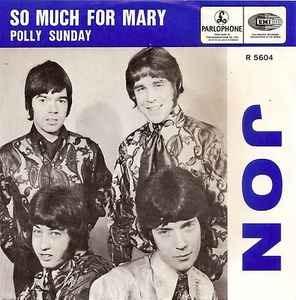
 View Artist