Song Meaning
The narrator begins by recounting a past belief in a shared future with a lover, a vision of a lifetime together that has now been definitively proven false. The stark declaration "I was wrong" immediately sets a tone of disillusionment, shifting the focus from hopeful expectation to a harsh reality. This initial setup establishes the core conflict: the painful recognition that a deeply held romantic ideal has crumbled.
The chorus acts as a powerful declaration of self-preservation and forward momentum. The repeated mantra "I'll pay no mind" isn't about genuine indifference, but a conscious, active choice to suppress lingering questions and emotional turmoil. The narrator is actively choosing to "leave it all behind" and "letting it go," recognizing that dwelling on the other person's feelings or whereabouts would derail their hard-won progress. This is a deliberate act of emotional self-defense, born from the realization that they "come so far."
There's a subtle but potent shift in perspective when the narrator acknowledges their ongoing creative output: "I'm still writing love songs / 'bout something that's passed me by." This reveals that while they are outwardly moving on, the emotional residue of the past relationship still fuels their art. The line "You think that's a lie / But you're wrong" is a defiant assertion of their internal strength, directly countering the perceived doubt of the former lover. It highlights the internal battle between acknowledging past pain and affirming present resilience, a testament to their growth.
Ultimately, the effectiveness of these lyrics lies in their portrayal of a difficult but necessary emotional disentanglement. The repeated phrases in the chorus create a sense of determined repetition, mimicking the internal effort required to truly "pay no mind." The contrast between the initial naive belief and the final, stronger stance underscores a journey of self-discovery, where letting go becomes an act of empowerment rather than defeat.
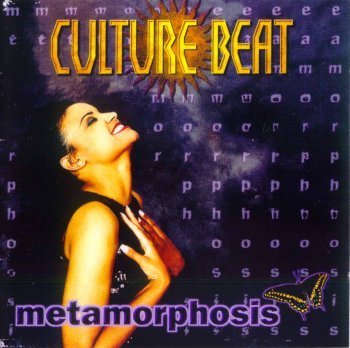
 View Artist