Song Meaning
The lyrics paint a picture of a disorienting, almost overwhelming emotional state, possibly brought on by a relationship or intense connection. The narrator describes a period of personal confusion, "lost my rhythm," and feeling disconnected, "Call but no pickup." Yet, amidst this chaos, a singular presence, "the buzz in my brain," becomes the focal point, suggesting an obsession or a powerful influence that overrides everything else.
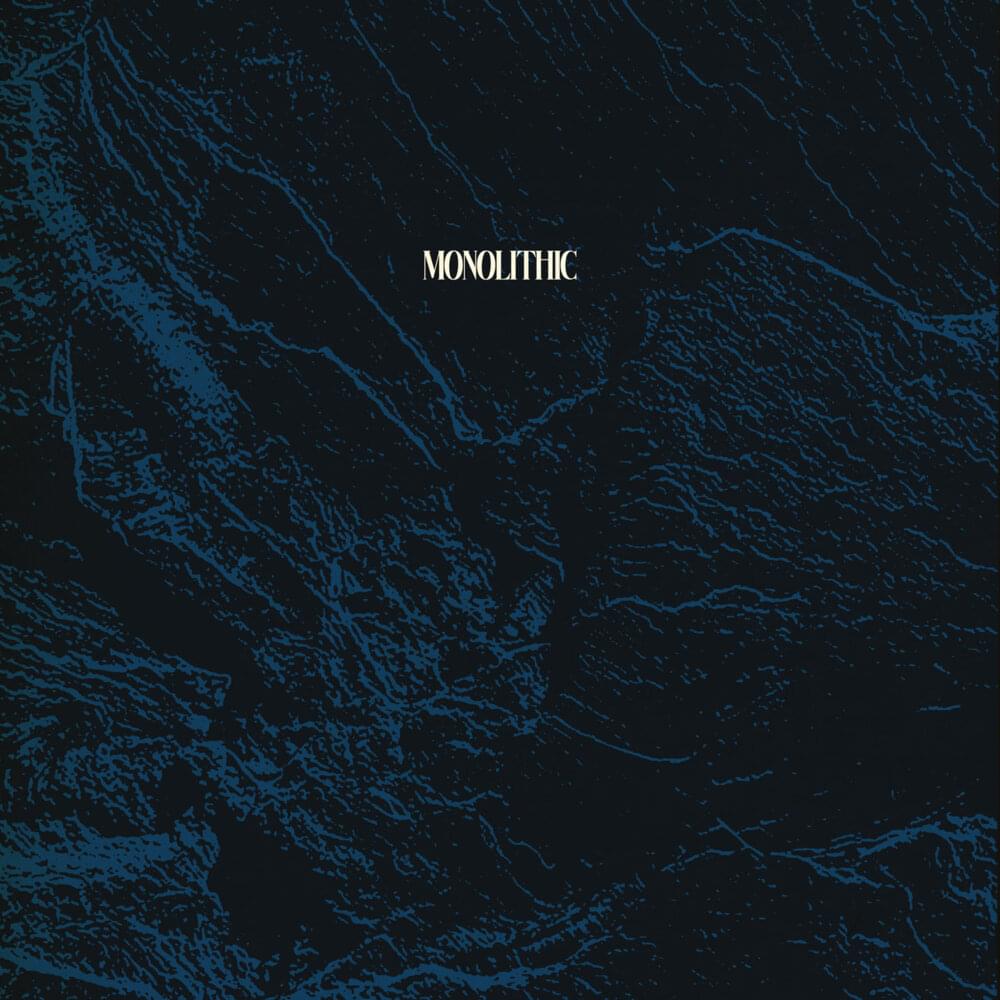
This intense fixation is captured by the central metaphor of a "strong magnetic field." The repetition of this phrase, coupled with "Monolithic in its feel," emphasizes the unyielding, all-encompassing nature of this attraction. It's not just a fleeting interest; it's a force that feels permanent and immovable, shaping the narrator's entire perception and emotional landscape. The feeling is so dominant it's described as "monolithic," implying something massive, singular, and unchangeable.
The second verse introduces a sense of inevitability and a lack of agency. The narrator felt "slipping," "pulled by the current," and acknowledges being "in a state of flux." This suggests that the magnetic pull was so strong it felt like an external force, leading to a passive acceptance of the situation. The line "I guess there's no one to blame" reinforces this idea, framing the experience as something that just happened, beyond individual control.
Ultimately, the effectiveness of these lyrics lies in their ability to translate a complex internal experience into tangible, powerful imagery. The contrast between the narrator's internal disarray and the external, monolithic force of attraction creates a compelling tension. The simple, repeated chorus acts like a mantra, hammering home the inescapable nature of this magnetic pull, making the listener feel the overwhelming weight of it.
 View Artist