Song Meaning
The lyrics paint a stark picture of absence, where the world loses its vibrancy when a specific person is gone. The narrator observes that even the "lights in town" are "dimmer without you around," and the world's palette shifts from vivid "green to brown." This immediate sensory deprivation sets a tone of profound loss, amplified by the narrator's defiant declaration: "I don't care" if others don't see the significance of this person.
The central tension arises from the contrast between the narrator's internal experience and the external world, and between the fleeting nature of existence and the desire for permanence. While the chorus offers a hopeful, almost spiritual assertion that "In love, we know that we'll live forever / And shine eternally," the verses and bridge introduce a deep melancholy. The narrator struggles to maintain a facade of indifference, admitting "I can make believe that I don't care," even as the world's colors fade.
The bridge introduces a poignant perspective shift, addressing "ghosts" and acknowledging that "the start and the end are so close." This contemplation of mortality, that "we're here for a moment at most," directly challenges the eternal promise of the chorus. It suggests that the narrator's fervent belief in everlasting love is a coping mechanism against the stark reality of impermanence, a way to imbue a brief existence with infinite meaning.
This lyrical construction makes the song hit hard because it grounds an abstract concept like eternal love in concrete sensory details of loss and fading light. The repeated "I don't care" becomes less about indifference and more about a desperate, almost performative dismissal of external judgment in the face of overwhelming internal feeling. The juxtaposition of the chorus's grand, timeless statement with the verses' specific, personal desolation creates a powerful emotional resonance, highlighting the human need for enduring connection in a transient world.
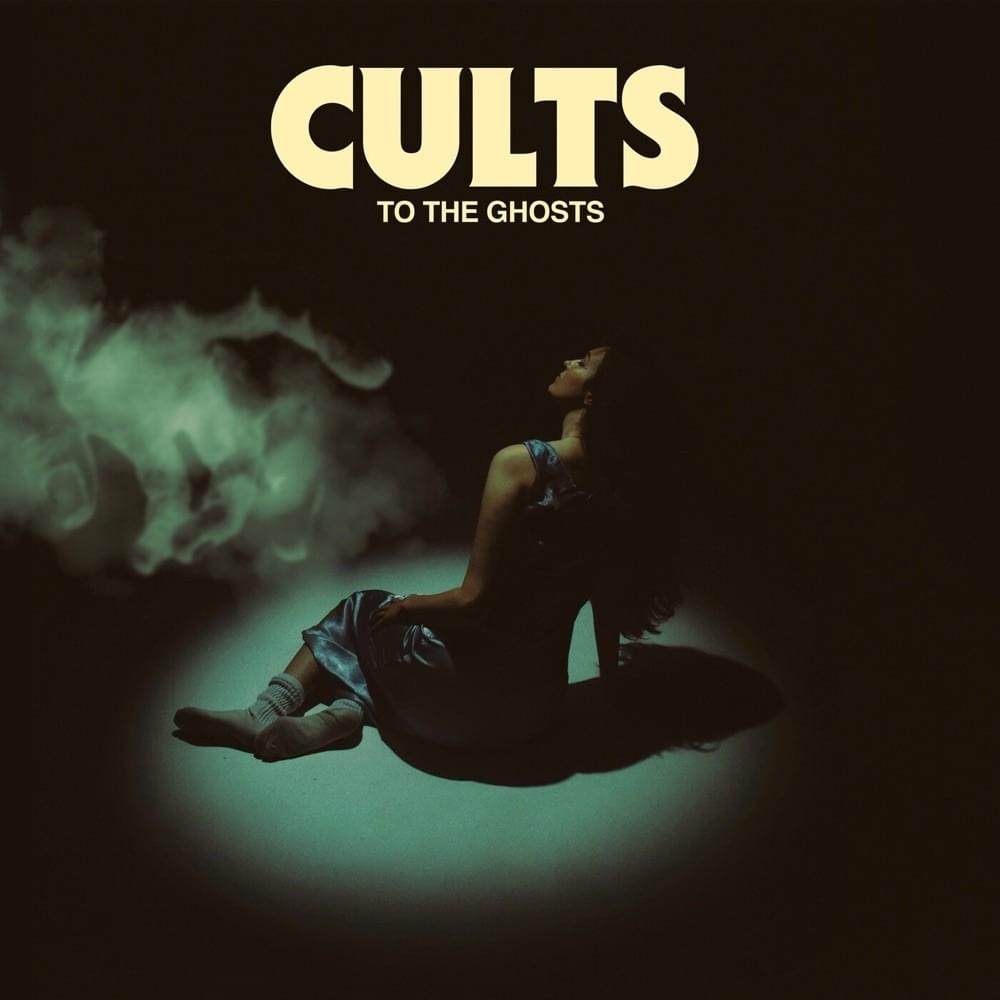
 View Artist