Song Meaning
The lyrics paint a stark picture of decay and fading connection, beginning with a visceral image of physical deterioration tied to emotional absence. The narrator observes that a lack of sleep literally causes cells to die, and this biological breakdown mirrors a perceived diminishment of the self, specifically in relation to being loved. This sets a somber, almost morbid tone, suggesting a relationship where neglect leads to a tangible loss of vitality.
The central tension arises from the cyclical nature of a doomed relationship. The repeated phrase "Called me, knowing nothing good would come in the end" highlights a self-destructive pattern, a conscious choice to engage despite foreknowledge of pain. The fleeting hope of "Forever / But maybe not for now" underscores the impermanence, a desperate clinging to the present moment even as the future is clearly bleak.
The narrator grapples with a sense of loss and displacement, searching for a secure place to "hide my things" and lamenting the repeated failure to "never lose our place." This suggests a struggle for stability and permanence within the relationship, a desire for a sanctuary that is consistently undermined by an inevitable undoing. The lyrics imply a pattern of building up only to watch it fall apart.
Ultimately, the song's power lies in its blend of biological metaphor and emotional confession. The idea that "Cells inside your body die" becomes a potent, if unsettling, way to articulate the erosion of intimacy and selfhood. The narrator's final, almost naive assertion that "forever in a song / Can't believe it could be wrong / With you" reveals a deep-seated, perhaps irrational, yearning for an idealized love that defies the harsh realities presented earlier, creating a poignant contrast between wishful thinking and observed decay.
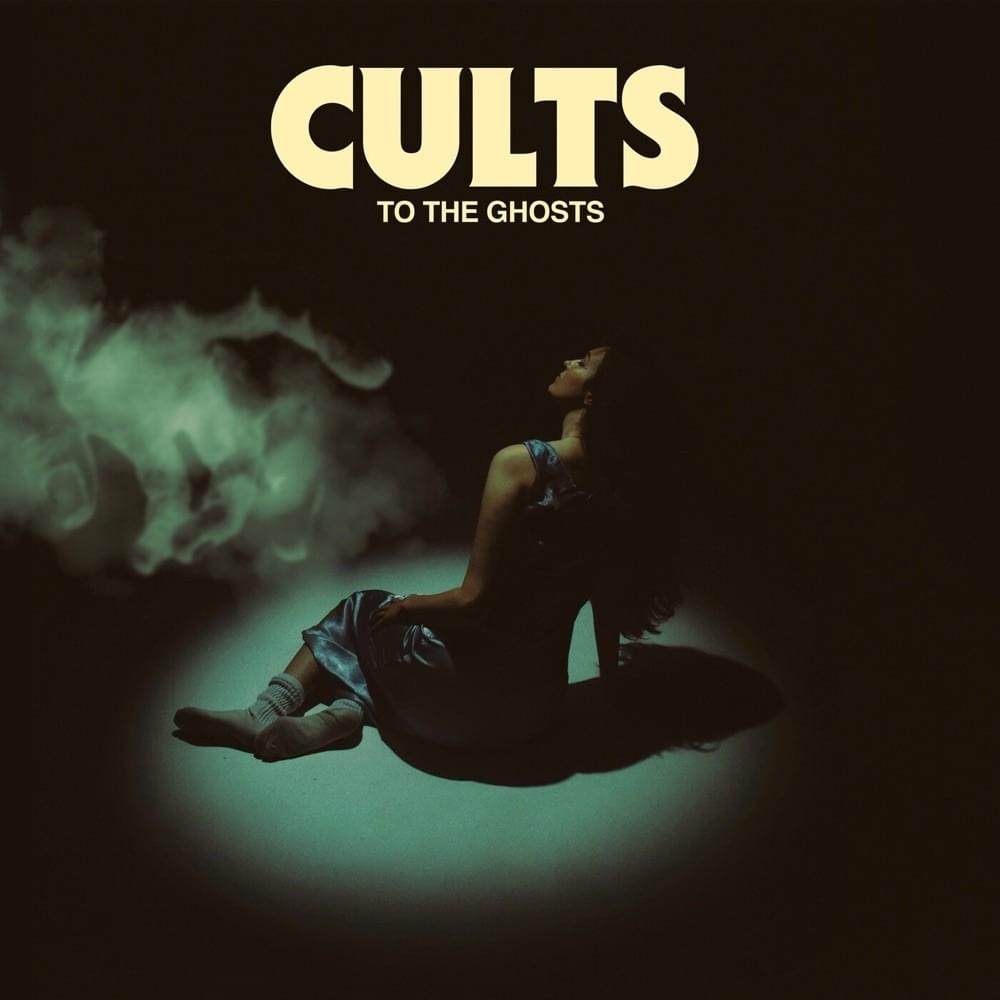
 View Artist