Song Meaning
The repeated refrain, "You did a good job, Mom and Dad," lands with a complex weight, feeling both like genuine praise and a desperate plea for validation. It’s the kind of statement that could be a heartfelt thank you, or it could be the weary sigh of someone trying to convince themselves that the foundation they were given is enough. The lyrics seem to grapple with the gap between parental effort and the adult child's lived experience, where the 'nature is too long' and 'currency is low,' suggesting a disconnect between the intended outcome and the actual result.
The central tension arises from the narrator’s internal struggle to reconcile their present reality with the perceived success of their upbringing. Phrases like "Don't feel so guilty" and "But don't tell me that I'm wrong" hint at an underlying anxiety, a need to preempt criticism or self-doubt. The desire to "be happy, never to be bored" and the admission that "Is all I ever wore" points to a superficial existence, perhaps one where deeper fulfillment is elusive despite external assurances of competence. The narrator seems to be searching for an external source of affirmation, even as they acknowledge their own internal state.
The most striking aspect is the almost ritualistic repetition of "good job." This isn't just a simple compliment; it feels like an incantation, a way to solidify a narrative of parental success that the narrator desperately needs to believe. The contrast between this repeated praise and the narrator's own admissions of low 'currency' and a craving for 'addiction' creates a poignant irony. It suggests that while Mom and Dad might have done their best, the narrator is still navigating a difficult path, seeking something more profound than just being told they're 'smart' or that their parents did a 'good job.'
Ultimately, these lyrics resonate because they capture that universal feeling of looking back at our origins and trying to make sense of who we've become. The earnest, almost childlike repetition of the chorus, juxtaposed with the adult anxieties in the verses, creates a powerful emotional paradox. It’s the sound of someone trying to accept the past, even when the present feels uncertain, and holding onto the idea that, despite everything, the effort was worthwhile.
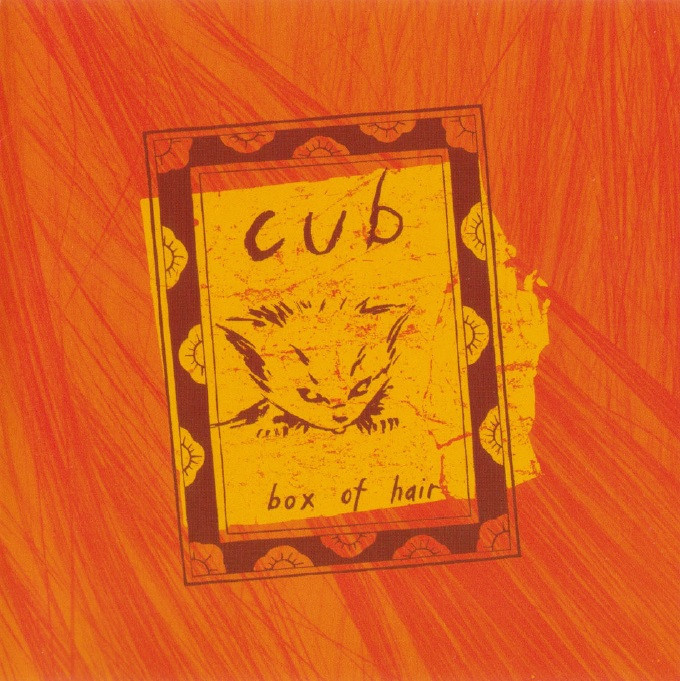
 View Artist