Song Meaning
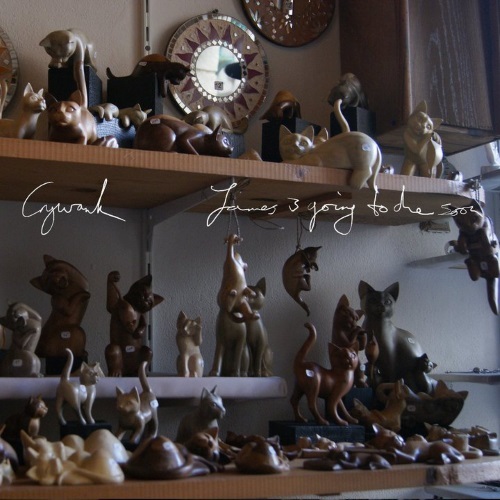
The lyrics paint a stark picture of isolation and a desperate need for external validation. The narrator is "waiting for someone to tolerate me," a low bar that highlights a profound lack of self-worth. This sense of inertia is amplified by the mundane reason for staying put: "Hanging around because I can't leave this cat behind." It's a poignant image of being tethered by obligation rather than genuine connection, suggesting a life lived by default rather than by choice. The narrator's contemplation of their existence yields only "uncompromising flush of uncertainty," a feeling directly attributed to a "lack of self-respect" and an "overwhelming lack of company."
The central tension arises from this paralyzing self-doubt and the resulting social withdrawal. The idea of "nine lives" is invoked, but not as a chance for reinvention; instead, it's a bleak outlook where if nothing is found to hold onto, "nobody I care for will be around." This suggests a fear of abandonment intertwined with a self-fulfilling prophecy of isolation. The narrator seems resigned to a state where their primary companions are inanimate or passive, as seen in the desire to "share my bed with phantom limbs" and "surround myself with living things that don't know how to move."
The writing craft here is particularly effective in its bluntness and self-deprecating imagery. The narrator's self-assessment as being "like cigarettes and steak and booze, obesity and stress" is a raw, unflinching portrayal of self-destructive tendencies. The subsequent line, "Everyone with a bad heart will blame me for their mess," shifts the blame outward, creating a complex dynamic of victimhood and passive aggression. This contrast between internal decay and external accusation fuels the emotional weight of the lyrics, suggesting a cycle of self-sabotage and resentment.
Ultimately, these lyrics resonate because they articulate a deep-seated feeling of inadequacy and loneliness with brutal honesty. The "clip show" of a life filled with "long drawn out scenes of plug holes" is a powerful metaphor for a life perceived as stagnant and draining. The effectiveness lies in the narrator's unvarnished self-examination, even when it's painful, and the way these specific, often bleak, images coalesce to form a portrait of profound emotional disconnect.
 View Artist