Song Meaning
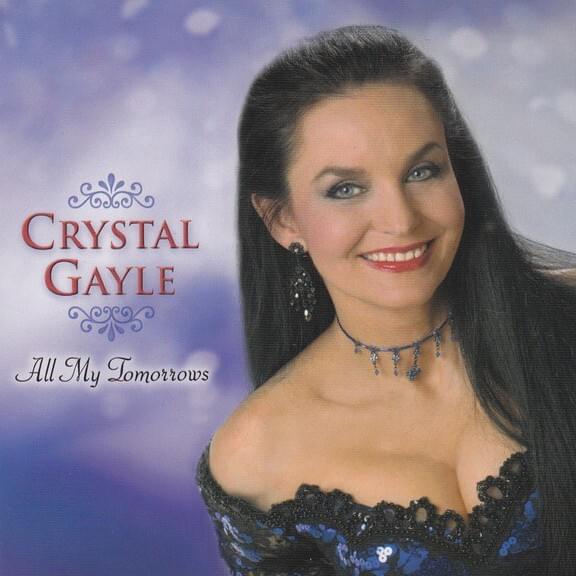
Crystal Gayle's rendition of "You Belong to Me" isn't just a sentimental ballad; it's a fascinating study in the psychology of attachment, cloaked in a deceptively sweet melody. The lyrics paint a picture of a lover encouraging exploration and adventure, yet subtly laced with possessive undertones. It's the romantic equivalent of a gilded cage, where freedom is granted, but only under the constant reminder of ownership. The singer urges her beloved to 'See the pyramids along the Nile' and 'Fly the ocean in a silver plane,' seemingly celebrating their wanderlust. But each verse snaps back with the unwavering assertion, 'You belong to me,' transforming the journey into a tethered expedition. This push and pull creates a compelling tension, hinting at insecurity and a deep-seated fear of abandonment.
The song's brilliance lies in its ability to mask a controlling narrative within a framework of affection. The repeated line, 'I'll be so alone without you,' initially evokes empathy, but it also serves as a form of emotional manipulation. It subtly places the responsibility for the singer's happiness squarely on the shoulders of the traveling partner. The constant reminders of belonging, juxtaposed against images of exotic locales, suggest a struggle with trust and a need for constant reassurance. The souvenirs and photographs requested from 'the market place in old Algiers' aren't just mementos; they're proof of connection, tangible evidence against the fear of fading away.
Ultimately, "You Belong to Me" is a complex exploration of love and control, freedom and dependency. It's a song that resonates because it exposes the often-unspoken anxieties that underpin even the most loving relationships. While the melody is soothing, the lyrics carry a weight of expectation and a subtle demand for unwavering loyalty. It's a reminder that even in the grandest adventures, the heart can still be held captive by the bonds of affection and the fear of being alone. The song's message subtly explores how love can sometimes morph into a form of gentle, yet persistent, possession.
 View Artist