Song Meaning
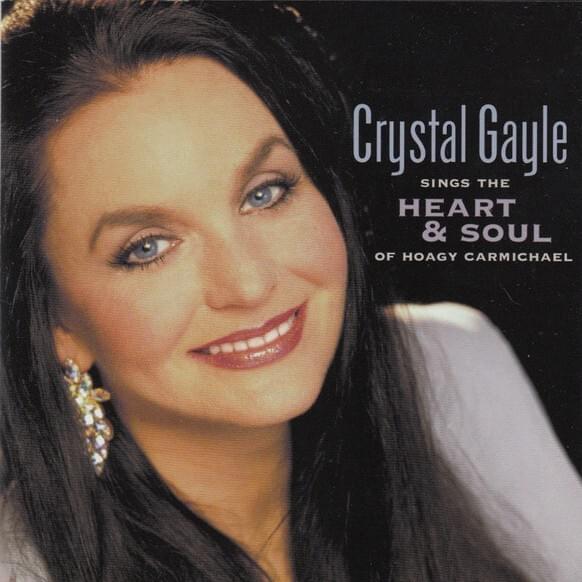
Crystal Gayle's rendition of "Small Fry" isn't just a cute tune; it's a sharply observed, slightly menacing snapshot of societal expectations and the anxieties surrounding youthful rebellion. Sung from the perspective of a parental figure, the lyrics paint a vivid picture of a young boy, a "small fry," prematurely engaging in adult behaviors – loitering at pool halls, smoking cigarettes, and "carousin' at the burleycue." This isn't just about playful scolding; there's an undercurrent of genuine concern, even exasperation, that simmers beneath the surface. The threat of physical punishment, "I could whip him with joy," while jarring to modern ears, underscores the perceived urgency of correcting this perceived waywardness. It's a fascinating study in the clash between generations and the desire to mold youth into acceptable societal forms.
The repeated refrain of "Small fry, should be in the school room" highlights the core conflict: the child's premature departure from innocence and the prescribed path of education. The lyrics subtly equate these youthful transgressions with a kind of existential overreach. "You ain't the biggest catfish in the sea" is a recurring warning against delusions of grandeur, a caution against the boy's inflated sense of self-importance. He's not just skipping school; he's challenging the established order, and the parental figure feels compelled to reel him back in. The mention of "practicing the law" reveals a desire for the boy to conform to a more respectable, established profession, symbolizing societal acceptance and success.
Ultimately, "Small Fry" transcends its seemingly simple melody to become a commentary on control, expectation, and the anxieties of parenthood. The song's enduring appeal lies in its ability to tap into universal themes of generational conflict and the struggle to navigate the delicate balance between freedom and responsibility. While seemingly lighthearted, the lyrics hint at a deeper struggle: the fear that a child's choices will lead them astray and the parent's desperate attempt to steer them back on course. The song's meaning revolves around societal expectations, the loss of innocence, and the poignant, often fraught, relationship between parent and child.
 View Artist