Song Meaning
The lyrics paint a picture of a cyclical, almost Sisyphean struggle against an inevitable force. There's a sense of futility in trying to "reach at the unreachable," suggesting a battle lost before it begins. The imagery of "building blocks" being picked up and knocked down, alongside "another day, a different season," emphasizes a relentless, repeating pattern of effort and failure. This establishes a tone of weary resignation, where attempts to control or change things are ultimately "futile."
The central tension seems to arise from a "long awaited arrival" that is both feared and embraced. The phrase "hate eternal overshadows" hints at a dark, pervasive negativity, yet this is juxtaposed with the anticipation of a "prodigal son" returning. This return is not necessarily a joyous reunion but one associated with "sun dogs" and "angelic rays," suggesting a powerful, perhaps overwhelming, presence. The "conquest procession participation" implies a forced or inevitable involvement in this arrival.
The most striking craft element is the potent, almost contradictory imagery surrounding the "sun." It's a source of "angelic rays" and a place for "embellish[ment]," but also a destructive force that causes "sweat lies and burns the eyes" and leads to a "sunburn-orama drama." This duality transforms the sun from a simple celestial body into a potent metaphor for an overwhelming, perhaps divine or fated, event. The "cult of fire" and "sect inferno" further amplify this, framing the arrival as a quasi-religious, intense experience.
Ultimately, the lyrics resonate because they capture the complex human response to overwhelming, unavoidable change or power. The narrator seems to acknowledge the destructive potential, the "drama" and the burning, yet there's an acceptance, even an embrace, of this arrival. The "accepted with open arms" suggests a surrender to a force that, while perhaps harsh, is also deeply desired or prophesied, creating a compelling emotional paradox.
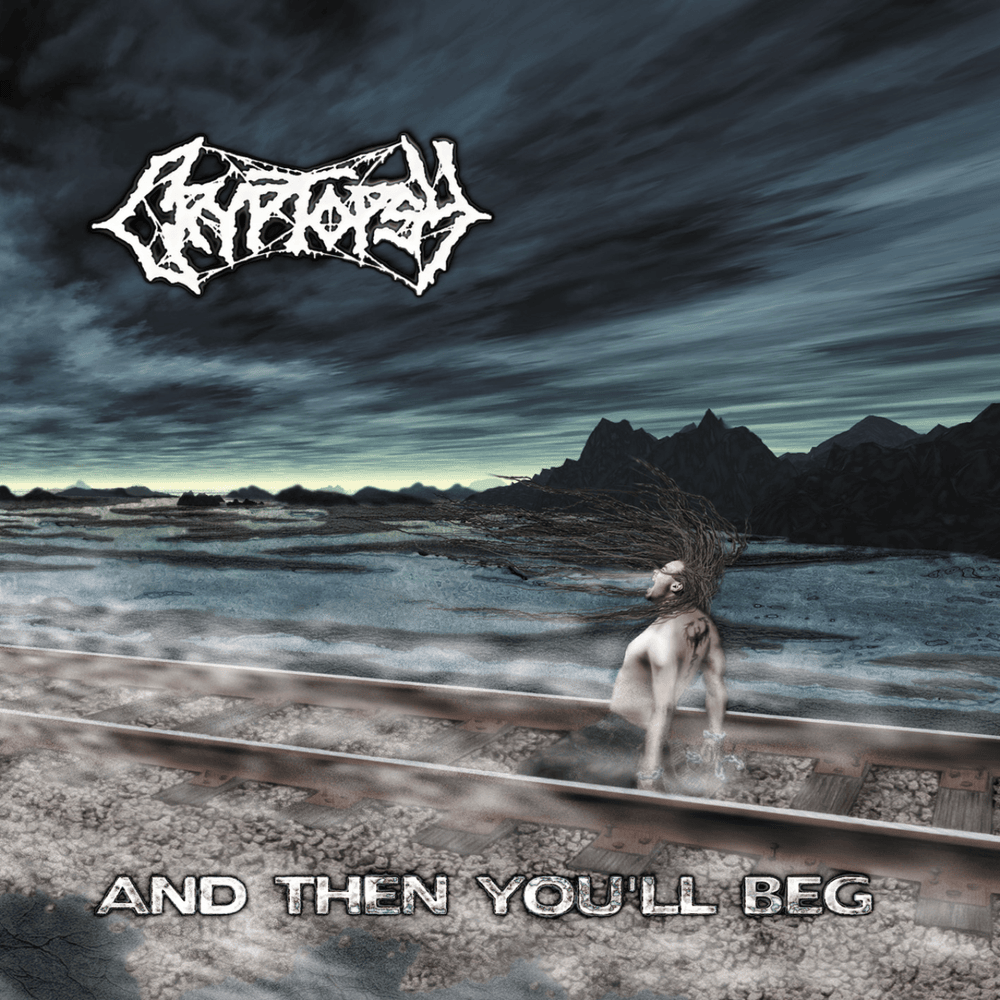
 View Artist